








What's Happening?
The Senate Armed Services Committee is taking steps to restrict the travel budget of U.S. Defense Secretary Pete Hegseth. This decision is contingent upon the completion of investigations into a February bombing of an Iranian girls' school and the release
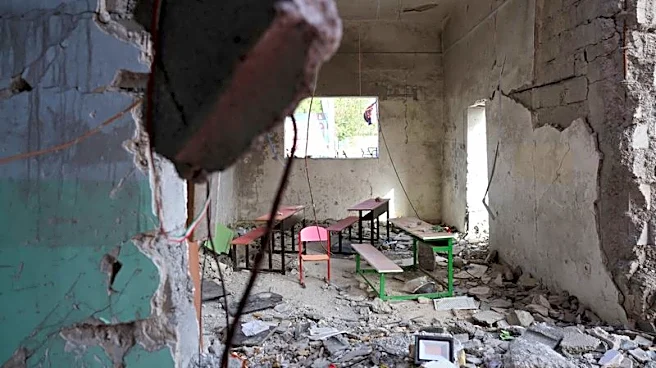
of unedited footage of U.S. military strikes on boats in Latin America. The committee's version of the fiscal year 2027 National Defense Authorization Act (NDAA) includes a provision to cut Hegseth's travel funding by 75% until these reports are submitted. The bombing in question occurred on February 28, 2025, when a U.S. Tomahawk cruise missile struck a school in Minab, Iran, resulting in the deaths of at least 165 people, mostly schoolgirls. President Trump has suggested that Iran might have obtained the missile, though this claim is under investigation. Additionally, the Senate is seeking information on U.S. military operations in Latin America, where strikes have been conducted against alleged drug-smuggling vessels.
Why It's Important?
This development underscores the Senate's demand for accountability and transparency from the Department of Defense regarding military operations that have resulted in civilian casualties. The restriction on Hegseth's travel budget highlights the legislative branch's leverage in ensuring executive accountability. The investigations into the Iranian school bombing and Latin American strikes are significant due to their potential implications for U.S. foreign policy and military conduct. The outcome of these investigations could affect U.S. relations with Iran and Latin American countries, as well as influence public perception of U.S. military operations abroad. The Senate's actions reflect broader concerns about oversight and the ethical implications of military engagements.
What's Next?
The full Senate will consider the NDAA, including the travel budget restrictions for Secretary Hegseth. If passed, the Department of Defense will need to expedite the completion of the investigations to restore full travel funding. The Pentagon's findings could lead to policy changes or disciplinary actions, depending on the outcomes. Additionally, the Senate's demand for transparency may prompt further scrutiny of military operations and their impact on civilian populations. The ongoing investigations and their results will likely influence future defense policies and congressional oversight practices.