





What's Happening?
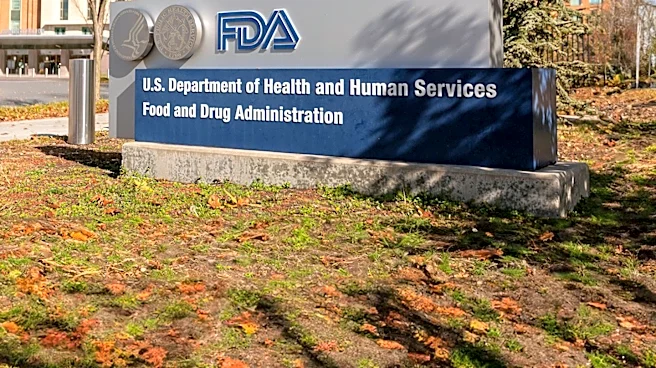
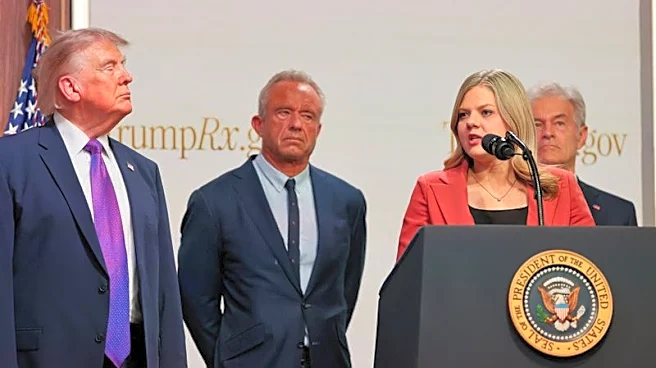
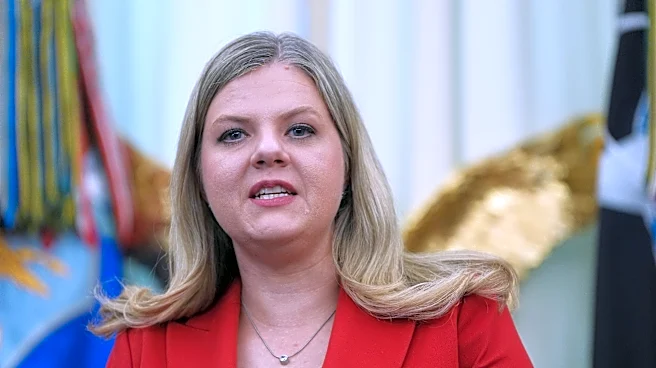
President Trump has appointed Dr. Heidi Overton, a medical doctor with a history of advocating for life, to head the Food and Drug Administration (FDA). Dr. Overton, who previously served as deputy assistant to the president for domestic policy and spent
over three years at the America First Policy Institute (AFPI), is known for her outspoken criticism of the FDA's chemical abortion policies. Pro-life groups are urging her to use her new position to end mail-order abortions and reinstate safeguards around the abortion pill mifepristone. Dr. Overton authored an AFPI brief in 2023, highlighting the dangers of chemical abortion for women and babies and criticizing federal policy that expanded access to abortion pills via telehealth. Her appointment requires Senate confirmation, which is anticipated given the Republican majority.
Why It's Important?
Dr. Overton's appointment to lead the FDA is highly significant for the ongoing debate surrounding abortion access and regulation in the United States. With approximately two-thirds of U.S. abortions being chemical, and these pills being available via mail even in states where they are illegal, her stance on the issue could lead to substantial policy changes. Pro-life advocates believe her leadership could result in stricter regulations on mifepristone, potentially impacting access to abortion nationwide. The current unregulated nature of mail-order abortions is a key concern for these groups, who argue it poses dangers to women and undermines state-level pro-life laws. Conversely, abortion rights advocates would likely view any such restrictions as a significant setback to reproductive healthcare access. The FDA's role in regulating pharmaceuticals means Dr. Overton's decisions could have far-reaching consequences for public health policy and women's healthcare.
What's Next?
The immediate next step is Dr. Overton's Senate confirmation process. If confirmed, pro-life organizations and advocates will be closely watching for actions she may take regarding chemical abortion regulations. Calls from groups like the American Association of Pro-Life Obstetricians and Gynecologists (AAPLOG) and Live Action specifically urge her to reinstate vital safeguards around mifepristone, end mail-order abortions, and conduct a comprehensive review of the drug's risks. There is also a push to investigate the environmental impact of chemical abortion drugs. Any moves to restrict access to abortion pills would likely face legal challenges from abortion rights organizations and could lead to increased political and social polarization. The FDA's decisions under Dr. Overton's leadership will undoubtedly shape the future landscape of abortion access and regulation in the U.S.
Beyond the Headlines
Dr. Overton's appointment and the subsequent calls for action highlight the deep ethical and legal complexities surrounding abortion in the U.S. Beyond the immediate policy changes, this development underscores the ongoing cultural and political battle over reproductive rights. The debate extends beyond medical safety to questions of individual autonomy, the role of federal agencies in healthcare, and the interpretation of scientific evidence. The focus on mail-order abortions also brings to light the challenges of regulating healthcare services in the digital age and across state lines. This situation could trigger broader discussions about the balance between public health concerns and access to medication, potentially influencing future regulatory approaches to other sensitive medical treatments. The environmental concerns raised by some groups also introduce a new dimension to the abortion debate, linking it to broader public health and ecological considerations.