






What's Happening?
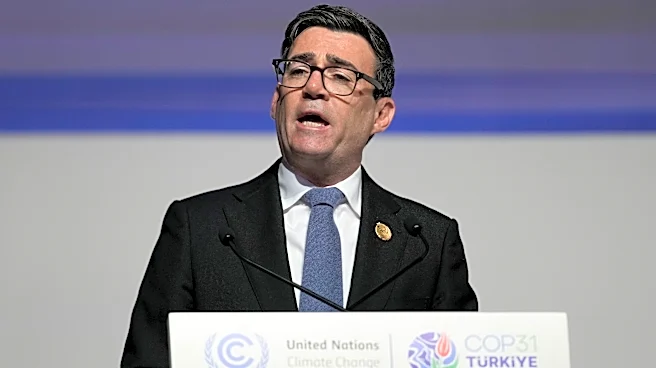
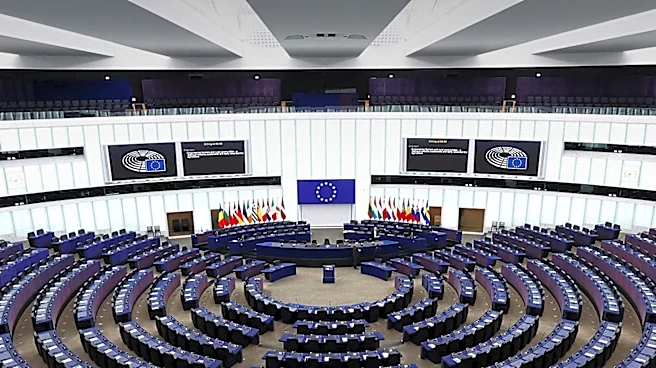
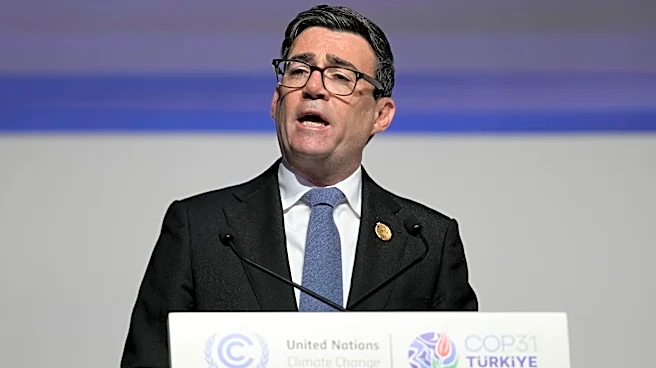
A European Parliament delegation is set to attend the UN Climate Change Conference, COP31, in Antalya, Turkey, from November 16 to 20, 2026. The delegation, led by Lídia Pereira (EPP, PT) and vice-chaired by Heléne Fritzon (S&D, SE), aims to advocate
for the implementation of climate commitments, particularly a global phase-out of fossil fuels. During the summit, MEPs will engage with ministers, parliamentarians, and delegates from key non-EU countries, including the United States, China, India, and Brazil, as well as the COP31 hosts, Turkey and Australia. They are also scheduled to meet with prominent figures such as UNFCCC Executive Secretary Simon Stiell and IPCC Chair Jim Skea. The Parliament has adopted its position on COP31, emphasizing the need for action, investment, and measurable results in climate efforts. Two side events are planned: one on transitioning away from fossil fuels and preparations for Global Stocktake 2, and another on electrification for energy security and climate resilience.
Why It's Important?
The European Parliament's proactive stance at COP31 underscores a significant push for global climate action, which could have far-reaching implications for U.S. energy policy and economic interests. A global fossil fuel phase-out, if agreed upon, would necessitate substantial shifts in energy production and consumption patterns worldwide, directly impacting U.S. fossil fuel industries and its role as a major energy producer. The engagement with U.S. delegates at COP31 highlights the potential for international collaboration or divergence on climate strategies. For the U.S., this could mean increased pressure to accelerate its transition to renewable energy, potentially affecting job markets in traditional energy sectors and stimulating growth in green technologies. Furthermore, the EU's emphasis on electrification and energy security aligns with broader global trends, suggesting that U.S. companies involved in renewable energy and electric infrastructure could see expanded international markets, while those reliant on fossil fuels might face growing regulatory and market challenges.
What's Next?
The European Parliament delegation's participation at COP31 will involve direct engagement with U.S. representatives, among others, to press for climate commitments. A press conference with delegation chair Lídia Pereira and EU Climate Commissioner Wopke Hoekstra is scheduled for November 18, which may provide further details on their specific proposals and discussions. The outcomes of COP31, particularly regarding agreements on fossil fuel phase-out and electrification, will likely influence future international climate policies and potentially shape the U.S.'s approach to climate change. The EU's legally binding target to reduce net greenhouse gas emissions by 90% by 2040 sets a precedent that other major economies, including the U.S., might be encouraged to follow. The discussions at COP31 could also lead to new international partnerships or frameworks for climate action, impacting U.S. foreign policy and trade relations.
Beyond the Headlines
The European Parliament's advocacy for a global fossil fuel phase-out at COP31 reflects a deeper ethical and environmental imperative to address climate change. This initiative goes beyond mere policy adjustments, signaling a potential long-term shift in global energy paradigms. For the U.S., this could mean re-evaluating its energy independence strategies and considering the moral and economic implications of continued reliance on fossil fuels. The push for electrification and green energy also highlights the growing recognition of climate action as a matter of national security and economic resilience, rather than solely an environmental concern. This perspective could influence U.S. public opinion and political discourse, potentially leading to increased public demand for sustainable practices and investments in renewable energy infrastructure. The EU's efforts at COP31 could therefore serve as a catalyst for broader societal and cultural shifts in how energy is perceived and utilized globally, including within the U.S.