




What's Happening?
A pilot was rescued in Southwest Florida after a floatplane made an emergency landing in a remote, landlocked area of the Estero Bay Preserve. The incident occurred on Sunday, prompting a complex aerial rescue operation by the Lee County Sheriff's Office.
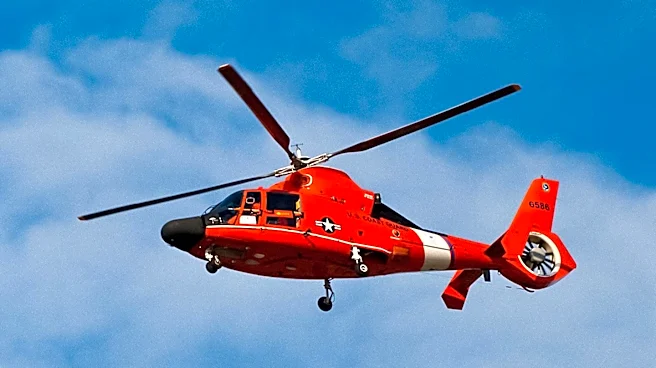
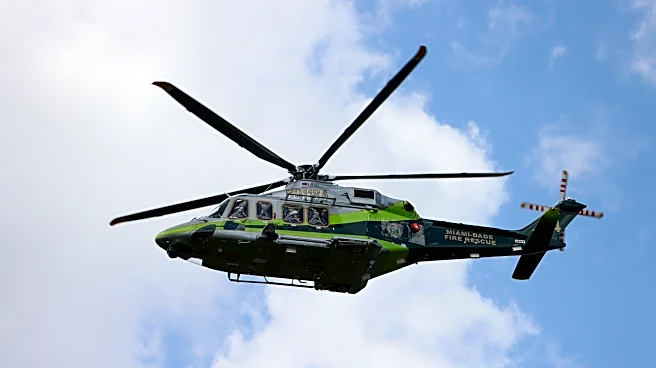
Deputies responded to the scene, but due to the inaccessibility of the landing site by boats or vehicles, an air rescue was initiated. Video footage captured a deputy lowering a rescue basket from a chopper to the pilot, who was then safely pulled into the aircraft and transported to another location. The pilot sustained no injuries during the incident. This event marks the second emergency landing in Lee County over the weekend, following a small plane crash on Saturday near Interstate 75, where two pilots also emerged unharmed. The Federal Aviation Administration (FAA) is currently investigating both incidents.
Why It's Important?
This incident highlights the critical role of specialized emergency response units, such as aviation units, in handling challenging rescue operations in remote or inaccessible terrains. The successful outcome, with no injuries to the pilot, underscores the effectiveness of coordinated efforts between various emergency services, including the Lee County Sheriff's Office, Iona McGregor Fire District, South Trail Fire Protection & Rescue Service District, Lee County Public Safety, and Crash and Fire Rescue. The occurrence of two emergency landings within a single weekend in Lee County may prompt increased scrutiny from aviation authorities regarding flight safety protocols and aircraft maintenance in the region. For the local community, these events can raise awareness about emergency preparedness and the capabilities of local first responders.
What's Next?
The Federal Aviation Administration (FAA) will continue its investigation into both emergency landing incidents in Lee County. This investigation will likely involve examining the aircrafts' maintenance records, pilot qualifications, and the circumstances leading to the emergency landings to determine any underlying causes or systemic issues. Depending on the findings, the FAA could issue recommendations or mandate changes to aviation safety regulations or procedures. Local emergency services may also review their response protocols to identify any areas for improvement, despite the successful outcome of this particular rescue. The incidents could also lead to increased public discussion about aviation safety in the region and potentially influence local policies regarding air traffic or flight paths.
Beyond the Headlines
The successful rescue in a challenging environment showcases the advanced capabilities and inter-agency cooperation essential for modern emergency services. Beyond the immediate relief of a safe outcome, such events often spark broader conversations about the balance between recreational aviation and public safety, especially in ecologically sensitive areas like the Estero Bay Preserve. The repeated nature of emergency landings in a short period could also draw attention to the aging fleet of private aircraft or the increasing volume of air traffic, prompting a deeper look into the regulatory framework governing small aircraft operations. Furthermore, the visual documentation of the rescue through video can serve as a powerful tool for public education on the complexities and dangers inherent in aviation, even for seemingly minor incidents.