
What's Happening?
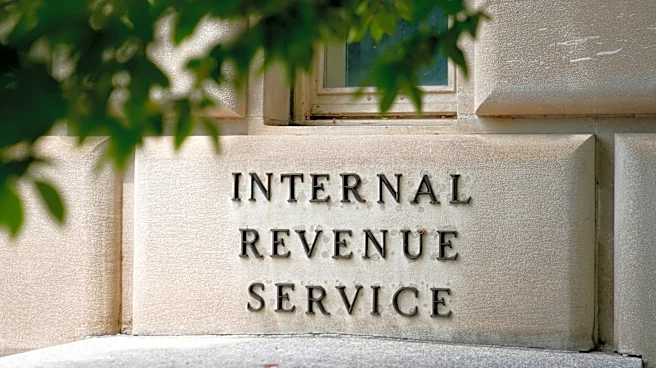
The IRS may owe refunds to taxpayers penalized during the COVID-19 pandemic for late tax filings, following a federal court ruling. The case, Kwong v. U.S., determined that emergency laws extended tax filing deadlines,
potentially entitling taxpayers to refunds for penalties assessed between January 2020 and July 2023. The national taxpayer advocate is urging taxpayers to review their situations and file claims for refunds or abatements by the July 10 deadline. The IRS had imposed over 120 million penalties during this period. The ruling is still under litigation, and the Treasury Department, under President Trump's administration, argues the decision misinterprets statutory language.
Why It's Important?
This development could significantly impact millions of U.S. taxpayers, particularly those with low to moderate incomes who may not have professional tax representation. The potential refunds could alleviate financial burdens for these individuals. The case highlights the broader implications of emergency legislation on tax policy and the IRS's enforcement practices. It also underscores the importance of taxpayer advocacy and the need for clear communication from the IRS regarding legal changes affecting tax obligations.
What's Next?
Taxpayers affected by the penalties should promptly file Form 843 to preserve their rights to potential refunds. The ongoing litigation may lead to further legal clarifications or adjustments in IRS policy. Stakeholders, including tax professionals and advocacy groups, will likely monitor the case closely, as its outcome could set precedents for handling tax penalties during national emergencies.