



What's Happening?
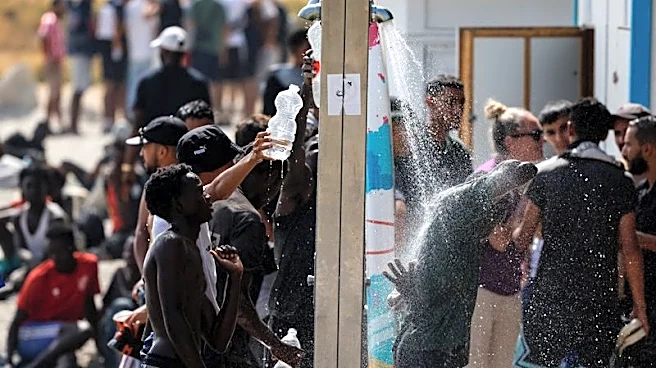
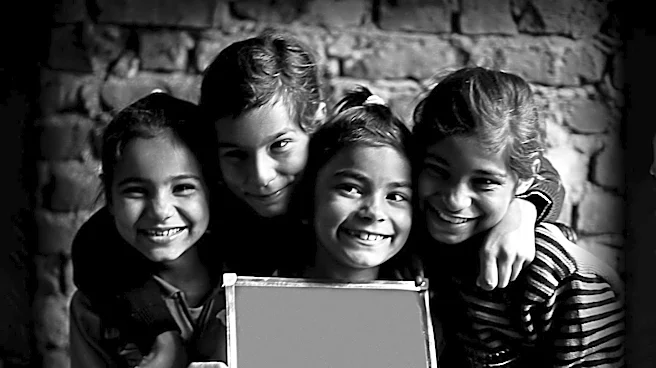
The Lowy Institute has analyzed the ongoing challenges faced by Rohingya children in the context of international justice efforts. Despite legal actions against Myanmar's military leaders for the 2017 'clearance operations,' over 600,000 Rohingya children remain
in refugee camps with limited access to citizenship, education, and security. The report highlights the inadequacies of international justice systems in addressing the long-term impacts on children, who are often treated as passive victims rather than active participants in justice processes. The UN Convention on the Rights of the Child recognizes children's rights to participate in matters affecting them, yet this is not fully integrated into international justice mechanisms.
Why It's Important?
The plight of Rohingya children underscores the limitations of international justice in providing comprehensive redress and rehabilitation for victims of mass atrocities. The focus on prosecuting past crimes often overlooks the need for sustainable solutions that address the root causes and long-term consequences of such conflicts. This situation calls for a reevaluation of international legal frameworks to better incorporate child-centered and gender-responsive approaches, ensuring that justice efforts contribute to rebuilding communities and preventing future violations. The ongoing challenges faced by the Rohingya highlight the need for international cooperation and innovative policy solutions to address complex humanitarian crises.