
What's Happening?
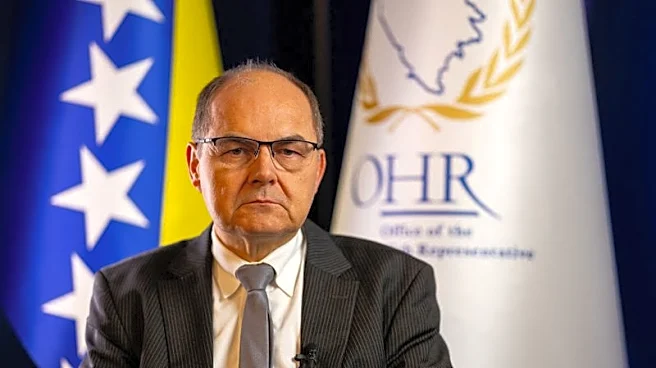
The United States has threatened to reconsider its role in Bosnia and Herzegovina's international peacekeeping efforts due to a disagreement with European countries over the appointment of a new High Representative.
The U.S. supported an Italian diplomat, Antonio Zanardi Landi, while most European states backed France's envoy, René Troccaz. The dispute has highlighted a growing rift between the U.S. and Europe regarding the future of Bosnia and Herzegovina. The U.S. embassy in Sarajevo expressed disappointment over the lack of consensus and indicated that the U.S. might reassess its involvement in the region.
Why It's Important?
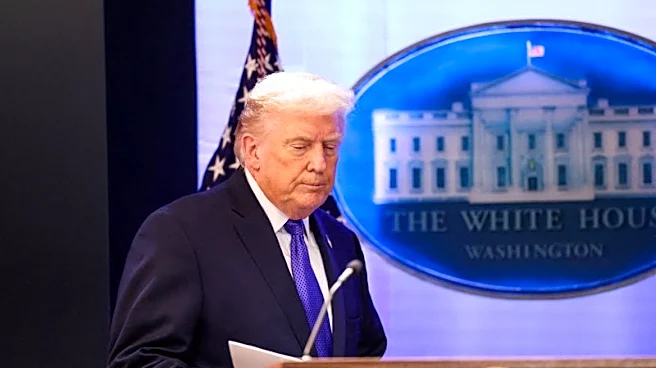
The disagreement over the High Representative's appointment underscores the challenges in maintaining international cooperation in Bosnia and Herzegovina. The U.S. has historically played a significant role in the region, and any reduction in its involvement could impact the stability and peacekeeping efforts established by the Dayton Agreement. The situation also reflects broader geopolitical tensions, with the Trump administration's actions raising concerns about its motives and influence in the region. The outcome of this dispute could have implications for the balance of power and the effectiveness of international governance in Bosnia and Herzegovina.
What's Next?
The Peace Implementation Council (PIC) is expected to reconvene later this month to attempt to reach a consensus on the High Representative role. The U.S. and European countries will need to negotiate a compromise to ensure continued international support for Bosnia and Herzegovina. The situation may also prompt discussions about the future of international peacekeeping efforts in the region and the role of the U.S. in European security matters. The outcome of these negotiations will be crucial in determining the stability and governance of Bosnia and Herzegovina moving forward.