






What's Happening?
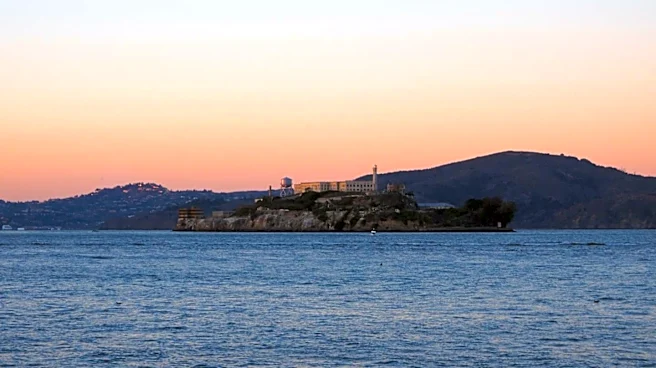
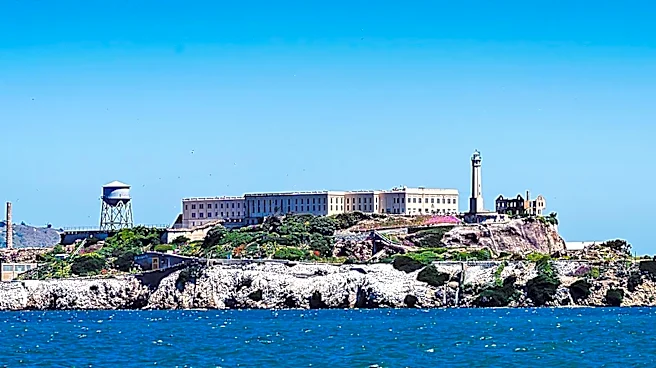
Environmentalist, educator, and writer Isaias Hernandez recently visited Alcatraz Island to explore its multifaceted story beyond its history as a prison. During his visit, Hernandez toured the Alcatraz Cellhouse, examined exhibits on mass incarceration
and the 1969 Occupation of Alcatraz by the Indians of All Tribes, and observed the historic gardens. He engaged with Parks Conservancy staff to discuss topics such as sustainability, belonging, and climate resilience within national parks. Hernandez's visit is part of his web series, 'Teaching Climate Together,' which aims to provide environmental education to a broad audience by collaborating with scientists, researchers, and community leaders. The episode featuring Alcatraz highlights the Parks Conservancy's efforts in social justice, climate change, sustainability, and inclusion within national parks. Alcatraz is recognized as part of the Golden Gate National Recreation Area (GGNRA) and an International Site of Conscience, encouraging visitors to connect historical struggles with contemporary movements for human rights and social justice.
Why It's Important?
This initiative is important because it recontextualizes a historically significant U.S. landmark, Alcatraz Island, as a platform for contemporary social and environmental issues. By linking the island's past with current discussions on mass incarceration, Indigenous rights, climate change, and sustainability, it encourages a deeper understanding of interconnected challenges facing U.S. society. The Parks Conservancy's emphasis on social justice and climate resilience within national parks underscores a growing trend to integrate these themes into public education and conservation efforts. This approach can foster greater public engagement with environmental stewardship and human rights, potentially influencing public policy and community action. It also highlights the role of national parks as educational sites that extend beyond natural beauty to encompass complex social narratives, benefiting educational institutions and advocacy groups by providing rich historical and contemporary case studies.
What's Next?
The 'Teaching Climate Together' web series will continue to feature Alcatraz Island, bringing its expanded narrative to a wider public audience. This exposure is expected to further the Parks Conservancy's goals of promoting social justice, climate change awareness, sustainability, and inclusion within national parks. The ongoing designation of Alcatraz as an International Site of Conscience suggests continued efforts to draw connections between its past and present-day human rights and social justice movements. Future initiatives may involve developing more educational programs and exhibits that delve into these themes, potentially attracting more visitors interested in the intersection of history, environment, and social issues. This could also inspire other national park sites to adopt similar educational frameworks, broadening the scope of their public engagement.
Beyond the Headlines
The reinterpretation of Alcatraz Island as a site for social justice and climate resilience education reflects a broader cultural shift in how historical landmarks are presented and understood in the U.S. It moves beyond a purely historical or punitive narrative to embrace contemporary ethical and societal challenges. This approach encourages critical thinking about the legacy of incarceration, the ongoing struggles for Indigenous rights, and the urgent need for climate action. By framing Alcatraz as a place where past struggles inform present movements, it fosters a sense of continuity in the pursuit of human rights and environmental protection. This initiative also highlights the evolving role of environmental education, integrating social equity and historical context into scientific understanding, thereby enriching public discourse and potentially influencing long-term policy changes regarding conservation and social justice.