





What's Happening?
The current El Niño is strengthening, with potential implications for the fire season in the American West. During El Niño, Pacific Ocean temperatures around the equator are above normal, affecting weather patterns globally. In the American West, El Niño often
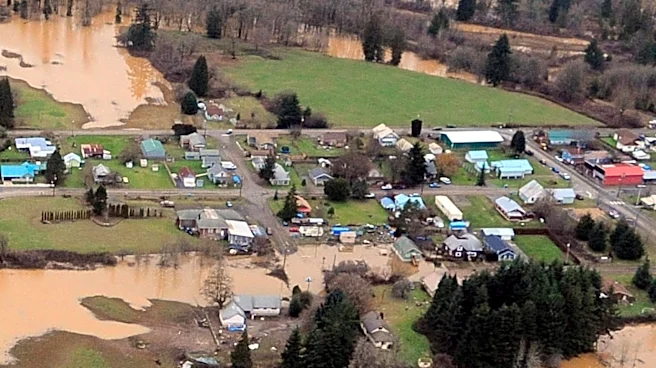
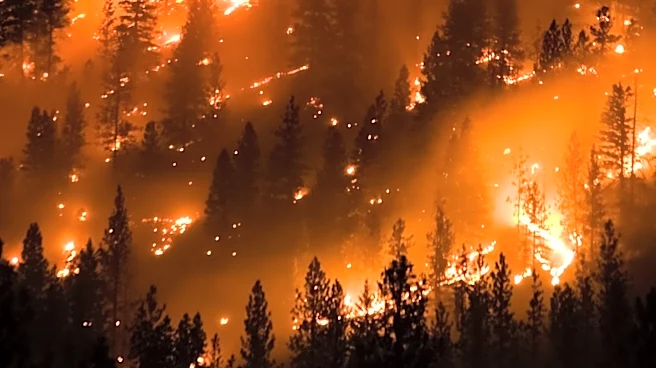
brings more moisture to the Southwest, reducing fire risk in the short term. However, it can also lead to drier and warmer conditions further north and inland, increasing wildfire risk. The federal fire risk forecast indicates above-average wildfire risk in regions from Western Colorado to the Pacific Northwest through the end of August.
Why It's Important?
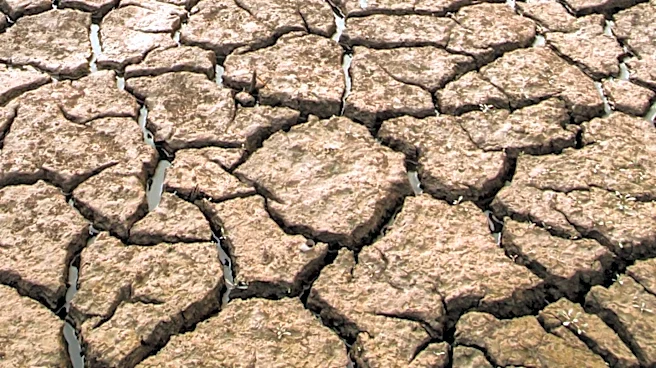
The strengthening El Niño could exacerbate wildfire risk in the already parched Western U.S. Drier and warmer conditions increase the likelihood of wildfires, posing threats to communities, ecosystems, and air quality. The potential for increased wildfire activity highlights the need for effective fire management and preparedness strategies. Additionally, El Niño's effects are compounded by climate change, which is contributing to more extreme weather patterns and increasing the frequency and intensity of wildfires.
What's Next?
As El Niño develops, fire management agencies and communities in the Western U.S. will need to enhance wildfire preparedness and response plans. This includes monitoring weather forecasts, managing vegetation, and ensuring infrastructure resilience. The potential for increased wildfire activity may prompt discussions on long-term climate adaptation strategies and infrastructure improvements. Stakeholders will need to balance the benefits of increased moisture in some regions with the risks of drier conditions and wildfires in others.