





What's Happening?
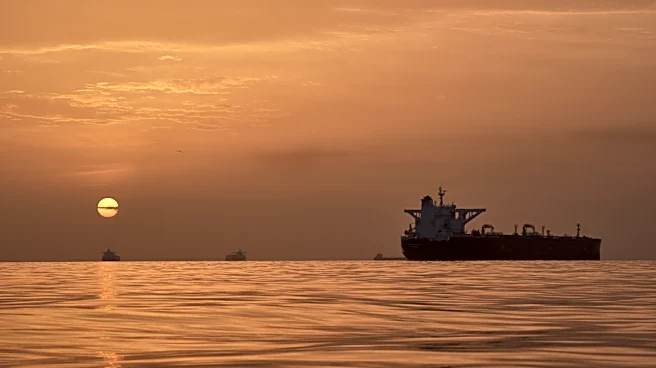
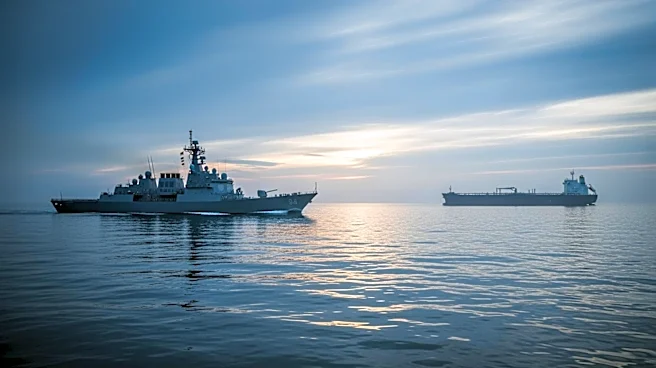
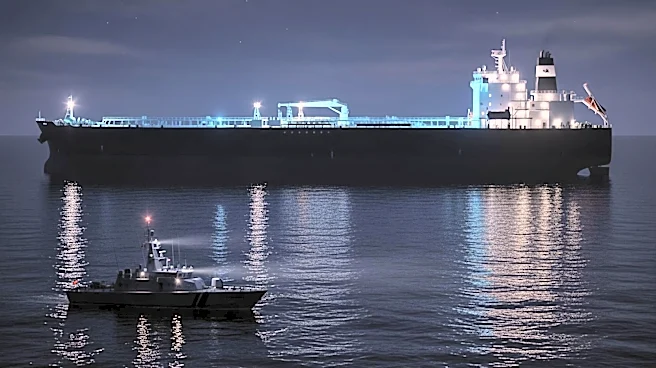
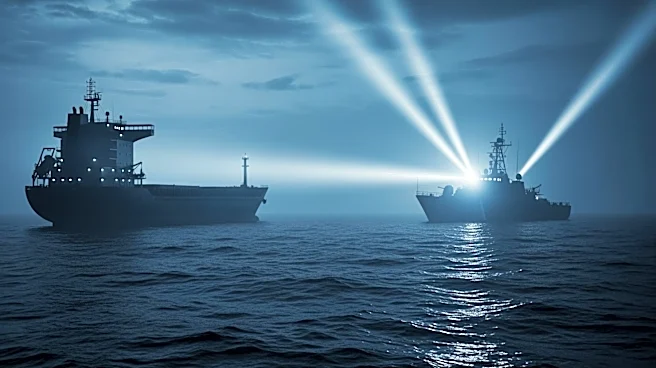
The U.S. Central Command (CENTCOMM) announced the interception of an Iranian 'shadow fleet' vessel, M/V Sevan, as part of Operation Economic Fury. This operation aims to enforce a blockade on Iranian ports, with the U.S. Navy actively redirecting vessels
to prevent them from entering or leaving Iranian ports. The intercepted vessel was identified by a U.S. Navy helicopter from the guided-missile destroyer USS Pinckney in the Arabian Sea. The U.S. Treasury Department has sanctioned these vessels to strengthen economic pressure on Iran, aiming to force a peace deal with Tehran. Since the blockade's inception, 37 vessels have been redirected.
Why It's Important?
The interception of the 'shadow fleet' vessel is a significant move in the U.S.'s strategy to curb Iran's oil exports, which are crucial for its economy. The 'shadow fleet' consists of aging oil tankers and front companies that help Iran evade U.S. sanctions by using tactics like turning off transponders and falsifying locations. This network allows Iran to continue exporting oil, primarily to Asian markets, despite sanctions. The U.S. aims to cut off these revenue streams through a combination of sanctions and maritime enforcement, part of a broader 'maximum pressure' strategy to weaken Iran's economy without direct military confrontation.
What's Next?
The U.S. Treasury Department has escalated its efforts by sanctioning additional Iranian companies and resources, including major oil customers and shipping firms linked to the 'shadow fleet'. This move is intended to expose and dismantle Iran's sanctions-evasion system. The ongoing blockade and sanctions are expected to increase economic pressure on Iran, potentially leading to further diplomatic tensions. The U.S. will likely continue to monitor and intercept vessels associated with Iran's oil trade, aiming to tighten the blockade and force Iran into negotiations.