





What's Happening?
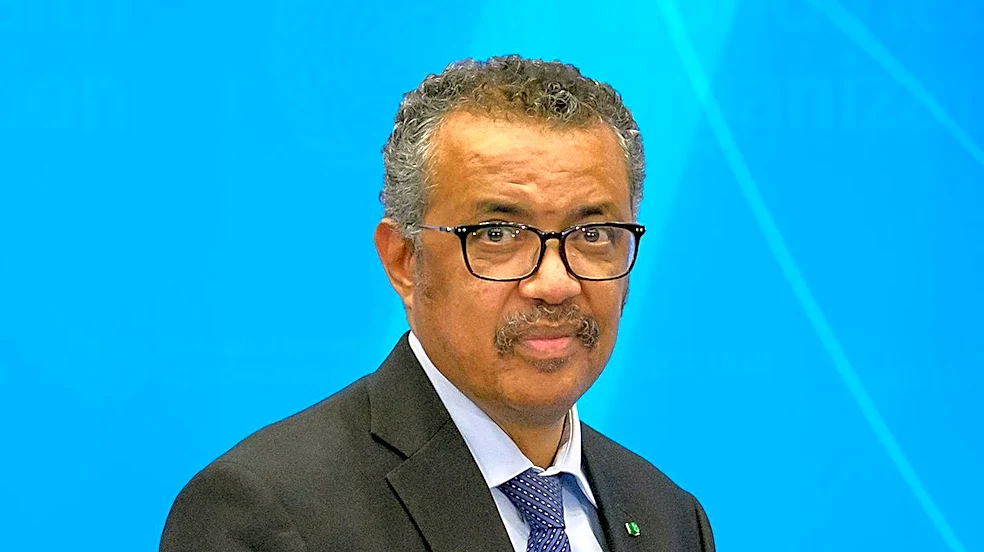
The Philippines, represented by Department of Health (DoH) Acting Secretary Edwin Mercado, engaged in discussions with World Health Organization (WHO) Director-General Tedros Adhanom Ghebreyesus regarding an international pandemic agreement. The meeting,
held at the WHO Western Pacific Office, focused on strengthening global preparedness for future health emergencies. Key topics included negotiations on provisions for pathogen access and benefit-sharing within the proposed pandemic agreement. Additionally, officials discussed enhancing Universal Health Care, national health emergency preparedness, advancing disease control, and reaching zero-dose children. The dialogue also covered strategies for improving hypertension, tobacco, and mental health programs, as well as expanding international health partnerships and cooperation. The WHO emphasized that the agreement aims to establish a legally binding international framework for pandemic prevention, preparedness, and response, which will be presented to countries for signing and ratification upon completion of negotiations.
Why It's Important?
These discussions are crucial for establishing a robust global framework to prevent and respond to future pandemics. The emphasis on pathogen access and benefit-sharing addresses critical equity issues highlighted during the COVID-19 pandemic, aiming to ensure fair distribution of resources and knowledge. For the Philippines, strengthening national health emergency preparedness and Universal Health Care is vital for protecting its population from health crises and ensuring equitable access to medical services. The focus on disease control and reaching zero-dose children directly impacts public health outcomes, particularly in vulnerable communities. By engaging with the WHO on these matters, the Philippines is actively contributing to and benefiting from international efforts to build more resilient health systems worldwide. This collaboration can lead to improved national health policies, better resource allocation, and enhanced capacity to manage public health emergencies, ultimately safeguarding the well-being of its citizens and contributing to global health security.
What's Next?
The immediate next step involves the continuation of negotiations on the international pandemic agreement, particularly concerning the Pathogen Access and Benefit Sharing annex. Once these negotiations are finalized, the agreement will be presented to member countries, including the Philippines, for signing and ratification. Domestically, the Philippines is expected to continue its investments in pandemic preparedness, potentially incorporating insights and frameworks from the ongoing WHO discussions into its national health strategies. The dialogue also sets the stage for further collaboration between the DoH and WHO on specific health programs, such as those targeting hypertension, tobacco control, and mental health. The emphasis on equitable access to medical supplies through regional stockpiles and pooled procurement suggests future initiatives aimed at strengthening supply chains and regulatory systems to ensure timely availability of essential health products during crises.
Beyond the Headlines
The ongoing negotiations for an international pandemic agreement represent a significant step towards a more coordinated and equitable global health governance structure. Beyond the immediate policy implications, this agreement could fundamentally reshape how nations collaborate during health crises, moving towards a more collective responsibility model. The discussions on pathogen access and benefit-sharing touch upon complex issues of national sovereignty, intellectual property rights, and global equity, highlighting the ethical dimensions of pandemic response. For countries like the Philippines, active participation in shaping such an agreement is not just about national interest but also about advocating for the needs of developing nations in global health forums. The outcome of these negotiations will have long-lasting implications for global health security, potentially setting precedents for international cooperation in other transnational challenges like climate change and humanitarian crises.