






What's Happening?
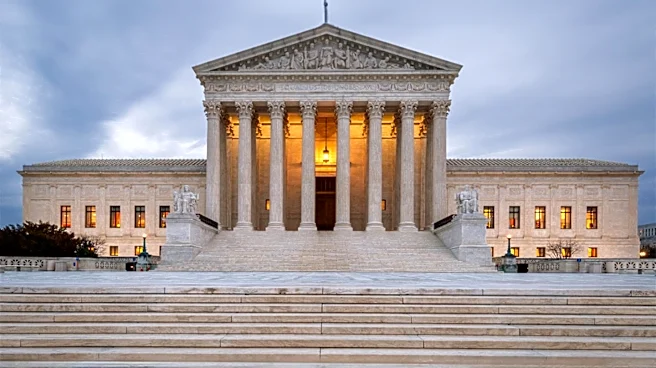
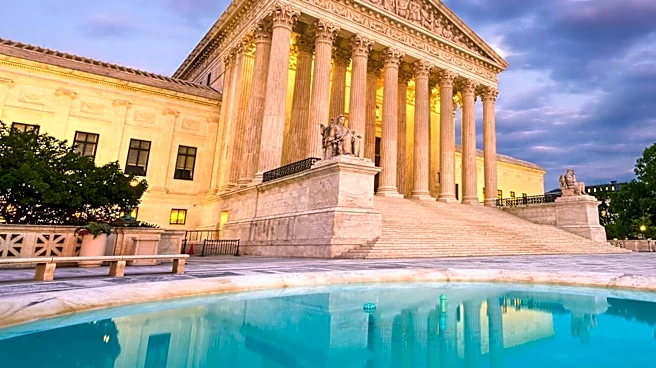
The U.S. Supreme Court has the authority to issue a stay of execution, which is a temporary judicial order preventing a scheduled execution from being carried out. This action does not, by itself, overturn a conviction, vacate a death sentence, or permanently
prevent an execution. Instead, a stay pauses the execution while a court considers an unresolved legal issue or allows for further judicial review. The Supreme Court views a stay of execution as an equitable remedy, not an automatic entitlement, and considers the state's interest in enforcing its criminal judgments. A Justice of the U.S. Supreme Court can consider an application for a stay, and the application may also be referred to the full Court. The Court's Rule 23 governs stay applications, generally requiring applicants to first seek relief from lower courts unless extraordinary circumstances exist. The application must specifically explain why a stay is warranted.
Why It's Important?
The ability of the U.S. Supreme Court to issue stays of execution is a critical safeguard in the American justice system, particularly in capital cases where the finality of the punishment necessitates thorough legal review. This power ensures that individuals facing execution have the opportunity to present new legal arguments or constitutional challenges before the irreversible sentence is carried out. It underscores the principle that justice must be meticulously applied, even in the most severe cases. The distinction between a stay and an overturned conviction is vital, as it clarifies that a temporary halt to an execution does not imply innocence but rather a need for further legal scrutiny. This process impacts not only the individuals on death row but also shapes public confidence in the fairness and integrity of the judicial system, influencing debates on capital punishment and due process.
What's Next?
If a stay of execution is granted by the U.S. Supreme Court, the execution is paused while the identified legal proceeding continues. The outcome of this proceeding will determine the next steps. If the underlying legal claim succeeds, the court may order further proceedings, resentencing, or other relief. If the claim is rejected, the stay may be lifted, allowing the state to pursue a new execution date if the death sentence remains enforceable. The duration of a stay can vary significantly, from days to years, depending on the reason for the stay and the status of the legal proceedings. It is important to note that a stay does not mean the prisoner has won the underlying case; it only means the execution cannot proceed while the stay is legally effective. Further appeals or requests for clemency may follow, depending on the specific circumstances of the case.
Beyond the Headlines
The process of seeking and granting stays of execution highlights deeper ethical and legal complexities within the U.S. justice system. The Supreme Court's emphasis on timely presentation of claims, as seen in cases like Bucklew v. Precythe, reflects a tension between ensuring due process and preventing last-minute delays that can undermine the state's interest in enforcing judgments. This dynamic often brings into focus the procedural hurdles and the extensive appeals process characteristic of death penalty cases, which can span many years and involve multiple levels of state and federal review. The discretionary nature of a stay, requiring a showing of legal merit and irreparable harm, underscores the high bar for intervention. This ongoing legal battle over stays of execution reflects fundamental questions about the nature of justice, the role of the judiciary, and the moral implications of capital punishment in American society.