





What's Happening?
Ukrainian President Volodymyr Zelensky warned on October 12, 2026, at the Warsaw Security Forum that new attacks and insecurity in the Black Sea could trigger a global agricultural and food crisis within one to two months. This warning comes as maritime
routes, crucial for millions of tonnes of Ukrainian exports, have been severely disrupted. Five days later, Hungarian Prime Minister Péter Magyar confirmed that President Zelensky had requested Poland, Romania, Slovakia, and Hungary to facilitate the overland transit of Ukrainian grain, indicating that the logistical crisis is already underway. The problem extends beyond Ukraine's export revenue, threatening to impact dinner tables in Africa, Asia, and the Middle East. While global stock levels and market adaptability differ from the 2022 crisis, the current situation presents a significant challenge to food supply chains, particularly for vulnerable nations.
Why It's Important?
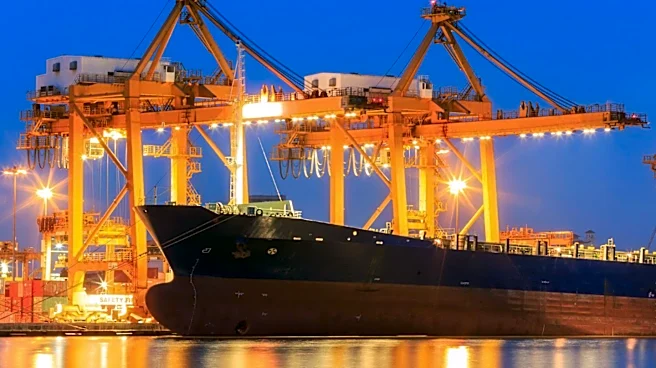
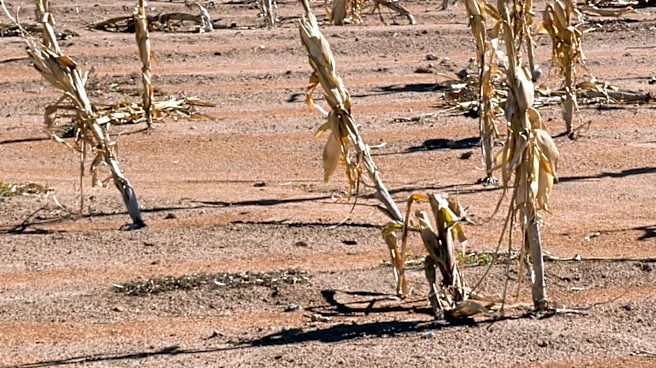
The potential for a global food crisis, as highlighted by President Zelensky, carries significant implications for international stability and humanitarian efforts. Disruptions to Ukrainian grain exports, a major global supplier, can lead to increased food prices, exacerbating food insecurity in import-dependent countries. Wealthier nations may be able to absorb the shock, but poor and heavily indebted countries face the prospect of more expensive food, weaker currencies, and reduced humanitarian assistance. The reliance on Black Sea routes for approximately 90% of Ukraine's wheat, maize, and sunflower-seed exports makes any disruption a critical bottleneck in the global grain trade. This situation underscores the fragility of global food systems to geopolitical conflicts and the urgent need for alternative logistical solutions to prevent widespread hunger and economic instability.
What's Next?
The immediate next steps involve efforts to facilitate the overland transit of Ukrainian grain through neighboring European countries, as requested by President Zelensky. This logistical shift aims to mitigate the impact of disrupted Black Sea routes, though it comes with higher costs and capacity limitations compared to sea transport. The international community will likely focus on monitoring the security situation in the Black Sea and exploring diplomatic solutions to ensure safe passage for commercial shipping. Furthermore, there will be increased pressure on global food organizations and humanitarian agencies to prepare for potential food shortages and price spikes, particularly in regions most vulnerable to food insecurity. The long-term implications could include a re-evaluation of global food supply chain resilience and a push for greater diversification of agricultural sourcing and transport routes.
Beyond the Headlines
The ongoing crisis in the Black Sea highlights the interconnectedness of global food systems and the profound impact of regional conflicts on international stability. Beyond the immediate economic and humanitarian concerns, this situation raises questions about food as a geopolitical tool and the ethical responsibilities of nations to ensure global food security. The potential for a 'production crisis' in Ukraine in 2027, if farmers cannot sell their crops or face prohibitive transport costs, underscores the long-term consequences of disrupted trade on agricultural sustainability. This event could accelerate discussions on climate-resilient farming and structural policies aimed at building resilience against environmental and economic crises, emphasizing the need for a more robust and equitable global food system that prioritizes human rights over trade liberalization.