





What's Happening?
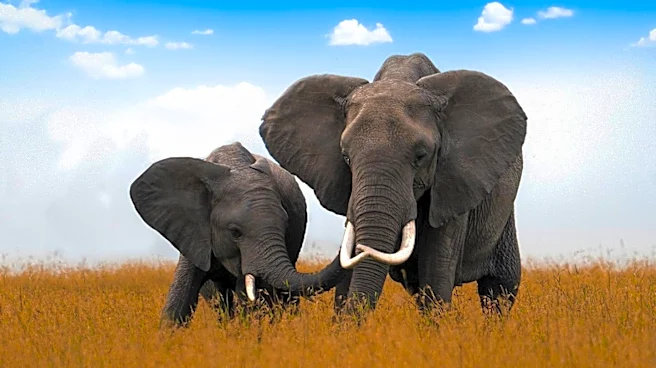
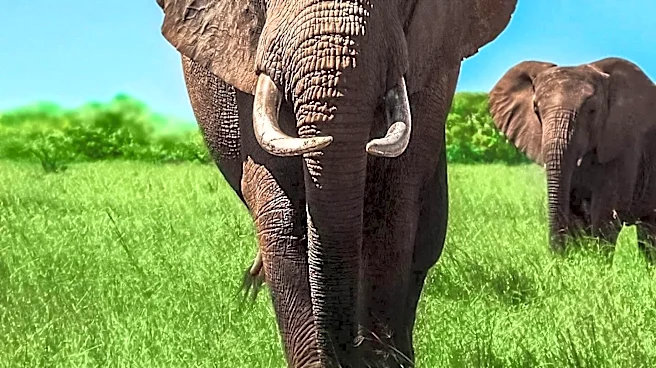
After over 15 years of research, Baylor College of Medicine and Houston Zoo have developed an experimental mRNA vaccine to combat elephant endotheliotropic herpesvirus (EEHV), a deadly disease affecting young Asian elephants. The vaccine has shown promising
results, with vaccinated elephants at Cincinnati Zoo successfully withstanding natural EEHV1A infection without severe symptoms. This development marks a significant milestone in the fight against EEHV, which remains a leading cause of death in juvenile Asian elephants in North American zoos and poses a threat to elephant calves in Asia.
Why It's Important?
The development of an effective mRNA vaccine for EEHV represents a breakthrough in veterinary medicine and conservation efforts. EEHV is a major threat to the survival of Asian elephants, a species already facing numerous challenges. An effective vaccine could significantly reduce mortality rates among young elephants, aiding conservation efforts and ensuring the survival of this endangered species. The success of this vaccine also highlights the potential of mRNA technology in veterinary applications, which could be expanded to other species and diseases.
What's Next?
Researchers are continuing to develop next-generation EEHV vaccines for Asian elephants and are exploring vaccine approaches for African elephants. The ongoing research aims to enhance the vaccine's effectiveness and broaden its application to other elephant populations. The collaboration between zoos, research institutions, and conservation organizations is expected to continue, with the goal of achieving widespread vaccination and protection for elephants worldwide.