



What's Happening?
Israel is set to implement a comprehensive traffic enforcement plan in 2026, aimed at reducing road fatalities, which have been on the rise since 2012. The plan includes the deployment of 500 new speed cameras across 250 road segments, increased traffic patrols,
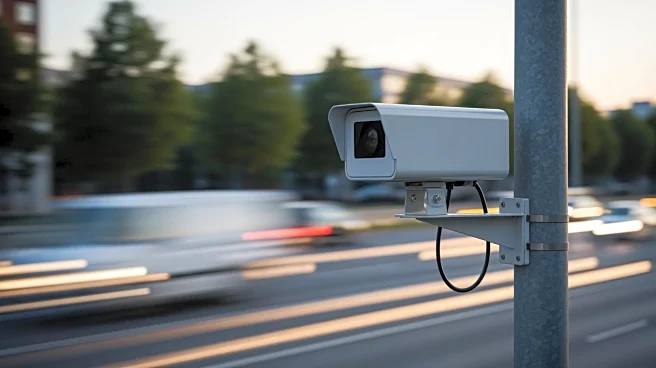
and harsher penalties for traffic violations. The initiative is a response to the alarming increase in road deaths, with 436 fatalities reported in 2025 alone. The government has allocated 50 million shekels for the initial phase, with a total of 350 million shekels earmarked for the full plan, pending budget approval. The new speed cameras will calculate average speeds over long distances, aiming to deter drivers from temporarily slowing down near known camera locations. Additionally, 234 new traffic patrol cars will be deployed, and targeted enforcement operations will focus on high-risk areas.
Why It's Important?
The initiative is crucial as it addresses the growing concern over road safety in Israel, where traffic fatalities have been increasing. By introducing advanced speed cameras and increasing police presence, the plan aims to change driving behavior and reduce accidents. The success of this plan could serve as a model for other countries facing similar challenges. The increased fines and penalties are expected to act as a deterrent, potentially leading to a significant reduction in traffic violations. This could improve overall road safety and reduce the economic and social costs associated with traffic accidents.
What's Next?
The full implementation of the plan is scheduled for April 2026, contingent on the approval of the state budget. The government will need to ensure consistent funding and legislative support to achieve the desired outcomes. Public awareness campaigns and educational programs are also planned to complement enforcement efforts. The effectiveness of the new measures will be closely monitored, and adjustments may be made based on their impact on road safety. The plan's success will depend on the cooperation of various stakeholders, including law enforcement, government agencies, and the public.
Beyond the Headlines
The plan highlights the broader issue of road safety and the need for a cultural shift in driving behavior. It underscores the importance of integrating technology with traditional enforcement methods to enhance road safety. The initiative also raises questions about the balance between enforcement and education in changing public behavior. The potential for increased fines and penalties may spark debates about fairness and the role of government in regulating personal conduct. Long-term success will require sustained commitment and adaptation to evolving traffic conditions and technologies.