







What's Happening?
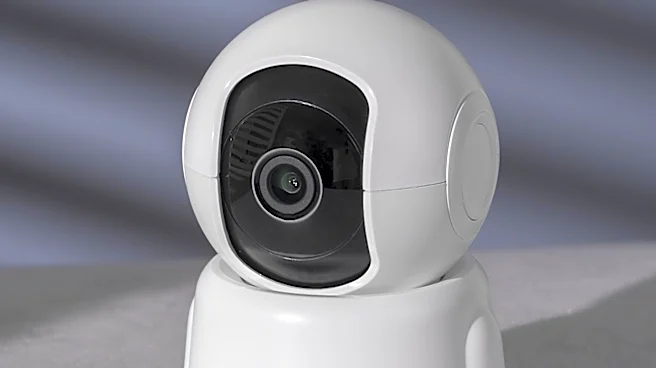
Airbnb users are being advised on methods to detect hidden surveillance devices in rental properties, a concern that has been reported in various locations including California, Texas, Ireland, and Malaysia. The advice, provided by Tyler Lacoma, Editor
of Home Security and Smart Home, outlines several techniques to identify these covert cameras. These methods include checking the local Wi-Fi network for unexpected connected devices, scanning for Bluetooth devices that cannot be identified, and using a flashlight to look for glints or flickers from camera lenses in dark rooms. Additionally, users can utilize their smartphone cameras to detect infrared lights emitted by some cameras and employ camera-spotting apps. Lacoma also suggests inspecting vents, a common hiding spot, and for those with significant concerns, using thermal camera add-ons for phones to detect heat signatures from hidden electronics. The article emphasizes that while outdoor security cameras are generally permissible, indoor cameras are banned by Airbnb, and any such discovery should be reported to the platform.
Why It's Important?
The prevalence of hidden cameras in rental properties poses significant privacy and security concerns for travelers using platforms like Airbnb. This issue can erode trust in the sharing economy model, potentially deterring users from booking short-term rentals if they fear constant surveillance. For the U.S. travel and hospitality industry, a rise in such incidents could lead to increased regulatory scrutiny and demands for stricter enforcement of privacy policies. Airbnb, as a major player, faces the challenge of maintaining user confidence and ensuring the safety of its guests. The advice provided empowers consumers with practical tools to protect their privacy, shifting some of the responsibility for detection to the user. This situation highlights the ongoing tension between property owners' desire for security and guests' right to privacy, potentially influencing future platform policies and technological solutions aimed at preventing unauthorized surveillance.
What's Next?
In response to ongoing concerns about hidden cameras, Airbnb is expected to continue enforcing its ban on indoor surveillance devices and may explore further measures to ensure guest privacy. This could include enhanced guidelines for hosts, more robust reporting mechanisms for guests, or even partnerships with technology providers to offer detection tools. Guests, armed with the knowledge of detection methods, are likely to become more vigilant upon checking into rentals, potentially leading to an increase in reported incidents. This could prompt a more proactive stance from Airbnb, possibly involving mandatory disclosures from hosts regarding any outdoor cameras and clearer policies on what constitutes acceptable monitoring. The broader travel industry might also see a trend towards rental properties advertising 'camera-free' guarantees or implementing their own verification processes to reassure guests, as privacy becomes a more prominent factor in booking decisions.
Beyond the Headlines
The issue of hidden cameras in rental properties extends beyond immediate privacy concerns, touching upon broader ethical and legal dimensions. The ease with which such devices can be acquired and concealed raises questions about the regulation of surveillance technology and the responsibilities of platform providers in preventing its misuse. Legally, the unauthorized recording of individuals in private spaces can lead to significant penalties, yet enforcement remains challenging given the clandestine nature of these acts. Culturally, the phenomenon reflects a growing societal anxiety about surveillance in an increasingly connected world, where personal spaces are becoming less private. This trend could foster a 'culture of suspicion' among travelers, impacting the perceived safety and intimacy of travel experiences. In the long term, it may drive innovation in personal privacy technology, with a greater demand for portable detection devices and privacy-enhancing tools, fundamentally altering how individuals approach temporary accommodations and their expectations of privacy within them.