




What's Happening?
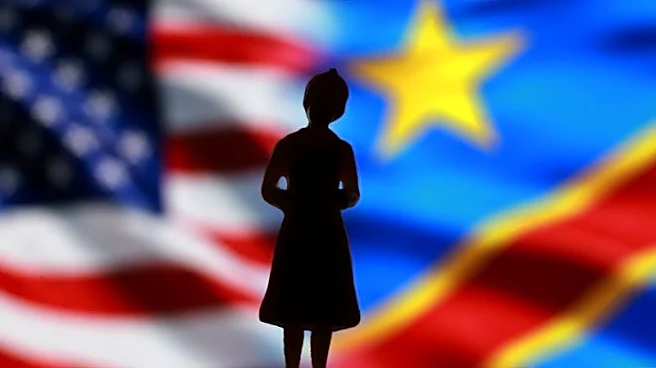
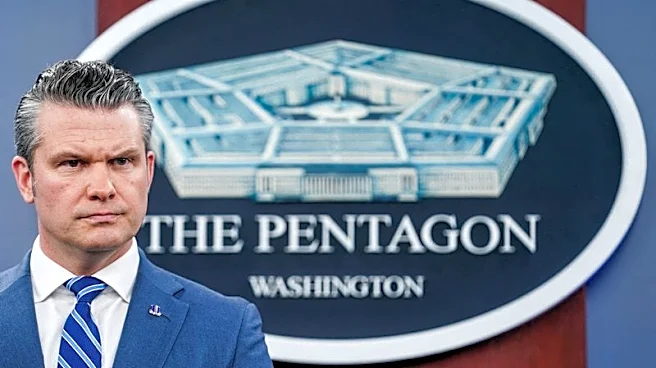
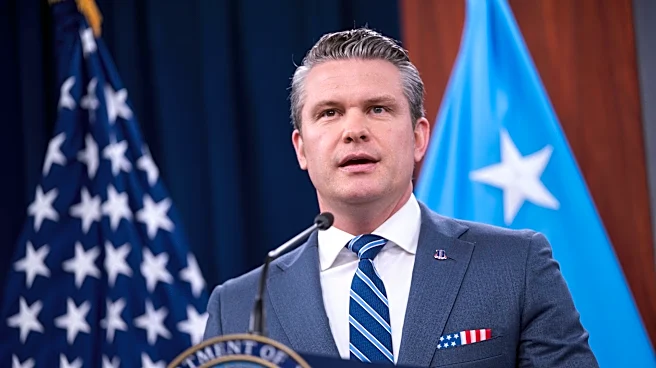
The Trump administration is contemplating the resettlement of approximately 1,100 Afghan allies, who assisted U.S. forces during the Afghanistan war, to the Democratic Republic of Congo (DRC). This group, currently in Qatar, includes interpreters and
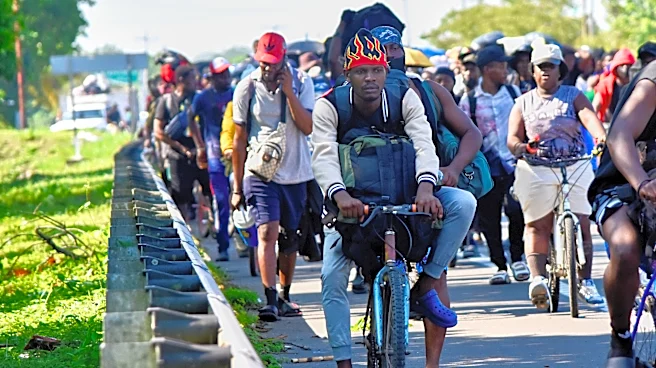
relatives of U.S. military personnel. The decision follows the cessation of a U.S. initiative that allowed these Afghans to apply for resettlement in the United States. The DRC is already facing a significant displacement crisis, with millions of its own citizens displaced due to ongoing conflict. The potential move has raised concerns about the feasibility and safety of resettling these Afghans in a country with limited capacity to support additional refugees.
Why It's Important?
This development is significant as it highlights the challenges faced by Afghan allies who supported U.S. military efforts. The decision to potentially resettle them in the DRC, a country already struggling with its own humanitarian issues, underscores the complexities of international refugee policies. The move could impact U.S. relations with both Afghanistan and the DRC, and may influence future cooperation from local populations in conflict zones. Additionally, it raises ethical questions about the responsibilities of the U.S. towards those who risked their lives in support of its military operations.
What's Next?
The outcome of these discussions remains uncertain, as the DRC's ability to accommodate additional refugees is limited. If the resettlement plan does not materialize, the Afghan allies may remain in limbo in Qatar. The U.S. government may face pressure from advocacy groups and international bodies to find a more viable solution. The situation could also prompt further debate on U.S. immigration and refugee policies, particularly concerning those who have supported U.S. military efforts abroad.