


What's Happening?
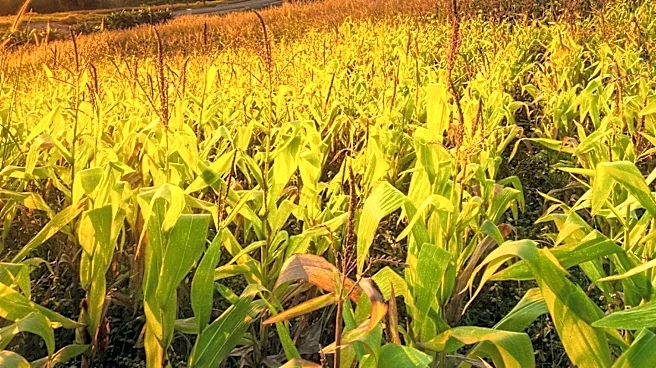
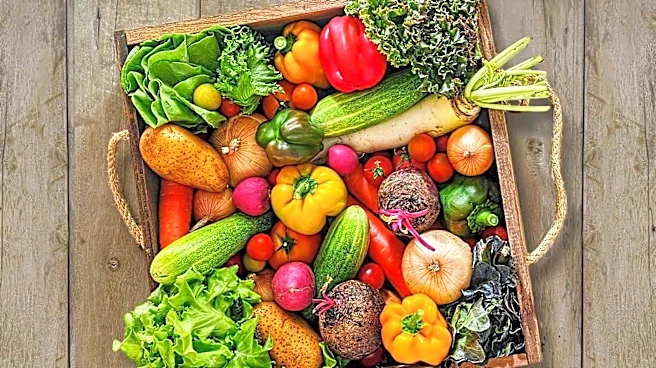
Food Tank's primer series on organic agriculture explores the principles and practices that define organic farming. The series emphasizes the importance of maintaining healthy soils, supporting ecological balance, and conserving biodiversity through cultural,
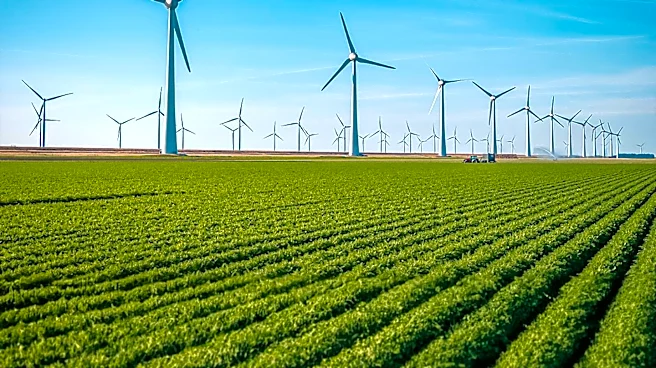
biological, and mechanical farming methods. Organic farming prohibits or limits synthetic fertilizers, pesticides, GMOs, and synthetic growth hormones, focusing instead on soil fertility through composting, cover cropping, and crop rotation. The Rodale Institute's research indicates that organic systems use less energy and have a lower carbon footprint compared to conventional agriculture. Organic practices also enhance carbon sequestration and soil health, making agricultural systems more resilient to climate changes.
Why It's Important?
The growing interest in organic farming reflects a shift towards sustainable agricultural practices that prioritize environmental health and resilience. As concerns about pesticide overuse rise, organic farming offers a viable alternative that reduces fossil fuel dependency and enhances biodiversity. The USDA's National Organic Program sets standards for organic certification, ensuring that crops are grown without prohibited substances and livestock receive organic feed and outdoor access. This shift towards organic practices can lead to more sustainable food systems, potentially influencing consumer choices and agricultural policies in the U.S.