




What's Happening?
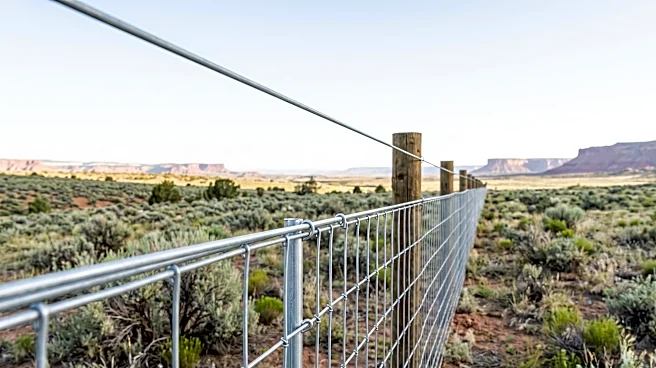
Wildlands Network has initiated and expanded wildlife-friendly fencing projects across the Western U.S., specifically in Utah, Colorado, and New Mexico. These efforts aim to mitigate the impact of fences on the migration routes of animals like elk, pronghorn,
and deer, which have used these paths for centuries. In 2023, the organization began its first project in Utah's Grand Staircase-Escalante National Monument, focusing on the Paunsaugunt mule deer herd. This involved inventorying over 150 miles of fence with the help of more than 50 volunteers and a survey tool developed by the Utah Division of Wildlife Resources (UDWR). Based on this data, 12 miles of fence were identified for modification to meet wildlife-friendly specifications, particularly near existing wildlife underpasses. In 2025, volunteers removed bottom wires across 11 miles of fence, which were then replaced with smooth wire and adjusted to proper heights to prevent entanglements. An additional 7 miles were retrofitted in the past year, with plans for another 7 miles in 2027.
Why It's Important?
The implementation of wildlife-friendly fencing is crucial for maintaining ecological balance and supporting biodiversity in the Western U.S. The fragmentation of landscapes by fences poses a significant threat to migratory species, disrupting their natural movements, access to resources, and genetic exchange. By modifying fences, Wildlands Network is directly addressing a major barrier to wildlife movement, which can lead to healthier animal populations and ecosystems. This initiative also highlights the importance of collaborative conservation efforts, involving volunteers, state agencies like UDWR, and partner organizations such as Backcountry Hunters and Anglers, Mule Deer Foundation, and the National Fish and Wildlife Foundation. The success of these projects can serve as a model for other regions facing similar challenges, demonstrating effective strategies for human-wildlife coexistence and habitat connectivity. The data collection and app testing also contribute to improved land management practices across the state.
What's Next?
Wildlands Network plans to continue its wildlife-friendly fencing efforts, with an additional 7 miles slated for retrofitting in 2027 in the Paunsaugunt area. The organization's broader focus extends beyond fences to include other barriers to wildlife migration, such as water availability, illegal roads, and habitat quality. They are comprehensively assessing these landscapes to ensure their work accounts for a multitude of factors affecting wildlife connectivity. The data collected from these projects will continue to inform land managers and influence future conservation strategies. The ongoing collaboration with state agencies and conservation partners is expected to expand the reach and impact of these initiatives, potentially leading to more widespread adoption of wildlife-friendly infrastructure across the Western Wildway. The continued monitoring of modified fences will also be crucial to assess their long-term effectiveness in facilitating safe wildlife passage.
Beyond the Headlines
The efforts by Wildlands Network underscore a growing recognition of the need for infrastructure that accommodates natural ecological processes. Beyond the immediate benefits to wildlife, these projects contribute to a broader shift in conservation philosophy, moving towards landscape-scale connectivity and integrated land management. The involvement of volunteers not only provides essential labor but also fosters community engagement and raises public awareness about wildlife conservation issues. This type of citizen science, particularly in data collection, empowers local communities to participate directly in environmental stewardship. Furthermore, the development and testing of tools like the UDWR survey app demonstrate how technological innovation can be leveraged to enhance conservation efforts, providing valuable data for informed decision-making. The long-term success of these initiatives could lead to policy changes that mandate wildlife-friendly infrastructure in new developments and incentivize retrofitting existing barriers, ultimately promoting a more harmonious relationship between human development and natural ecosystems.