







What's Happening?
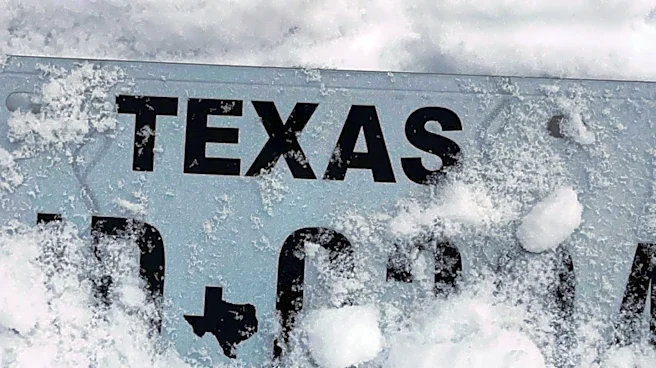
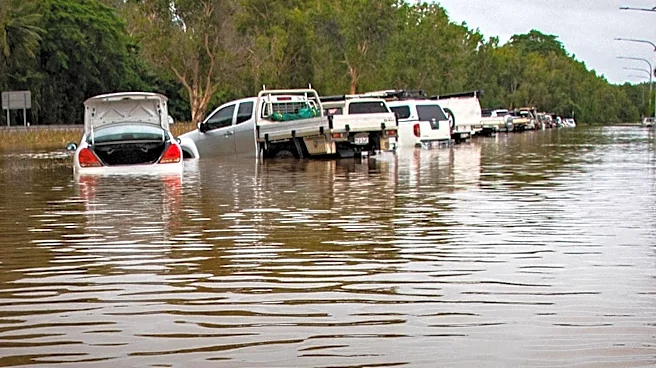
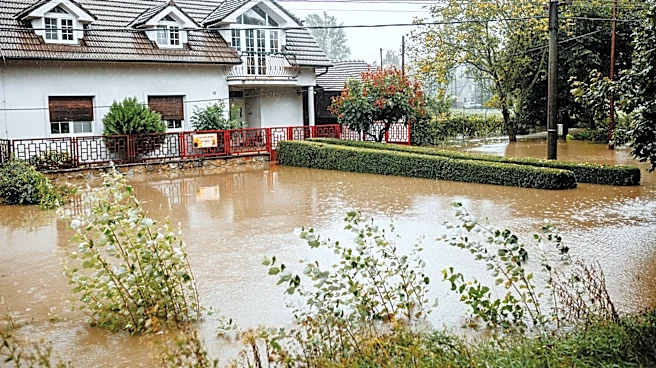
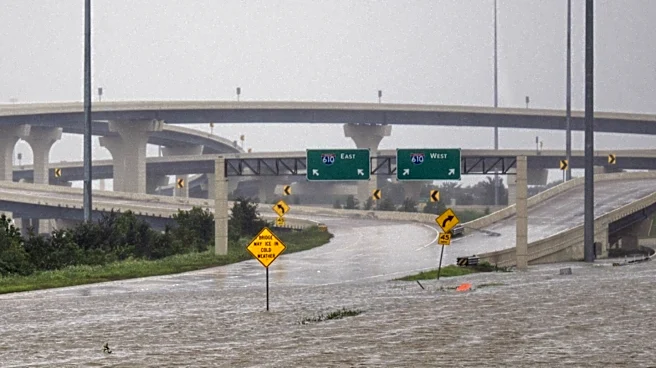
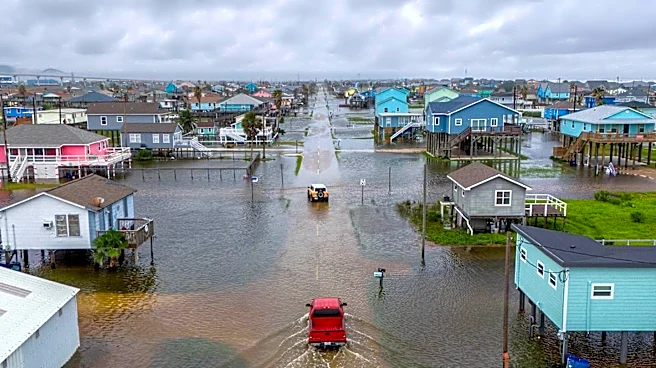
In response to devastating floods in Central Texas last year, Texas lawmakers have enacted new safety measures aimed at reducing fatalities in flood-prone areas. These measures have proven effective, as evidenced by the significant reduction in deaths
from 139 last year to just two in recent flash floods. The new laws include banning sleep-away summer camps from floodways and requiring detailed emergency plans. Additionally, increased public awareness has played a crucial role in saving lives, with residents now more vigilant and better prepared for such events. The recent storms, although severe, were spread over a larger area and occurred over several days, unlike last year's concentrated and sudden downpour.
Why It's Important?
The implementation of these new safety measures and the heightened awareness among residents highlight the importance of proactive disaster management. By reducing the number of fatalities, Texas sets a precedent for other states prone to similar natural disasters. The legislative changes not only protect lives but also mitigate economic losses by preventing property damage. This approach underscores the need for continuous public education and infrastructure improvements to adapt to increasingly unpredictable weather patterns. The success in Texas could inspire similar legislative actions in other regions, promoting a culture of preparedness and resilience.
What's Next?
The challenge for Texas will be maintaining this level of preparedness in the long term. As memories of past disasters fade, there is a risk that vigilance may decrease. Continuous public education and regular updates to emergency plans will be essential to ensure ongoing safety. Lawmakers may also consider further infrastructure investments, such as flood barriers and improved drainage systems, to enhance resilience. Monitoring the effectiveness of current measures and making necessary adjustments will be crucial in adapting to future climate challenges.