

What's Happening?
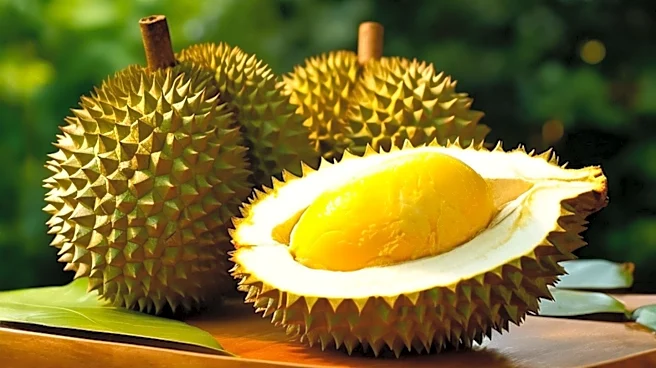
Malaysian durian farmers are facing significant challenges due to climate change, which is impacting their ability to produce high-quality fruit. The premium varieties, such as Musang King and Black Thorn, are highly sought after by Chinese consumers,
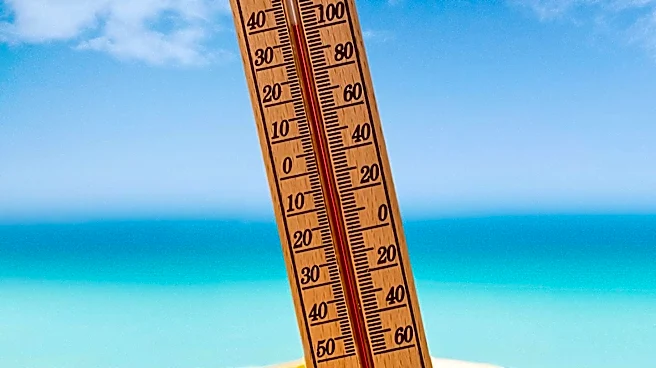
but extreme weather conditions are making cultivation more difficult and costly. Farmers like Stephen Chow have experienced repeated setbacks, including flooding and pollination failures due to persistent rain. Rising temperatures and increased costs for fuel and fertilizers are further straining their operations. Despite an oversupply of durians in Malaysia, which has driven prices down, the demand from China remains strong, with the country importing a significant portion of global durian exports.
Why It's Important?
The situation underscores the broader impact of climate change on agriculture, particularly for crops that are sensitive to weather conditions. As global temperatures rise, farmers are forced to adapt to more frequent and severe weather events, which can threaten their livelihoods and the stability of food supplies. The Malaysian durian industry, while smaller than those in Thailand and Vietnam, is known for its high-quality fruit, and maintaining this reputation is crucial for its competitiveness in the international market. The challenges faced by these farmers highlight the need for sustainable agricultural practices and innovations to mitigate the effects of climate change.
What's Next?
Farmers may need to invest in technology and infrastructure to better manage the impacts of climate change. This could include expanding water reservoirs, installing climate sensors, and adopting more resilient farming practices. The Malaysian government and industry stakeholders might also consider providing support and resources to help farmers adapt to changing conditions. As the demand for durians continues to grow, particularly in China, ensuring a stable and high-quality supply will be essential for the industry's long-term success.