

What's Happening?
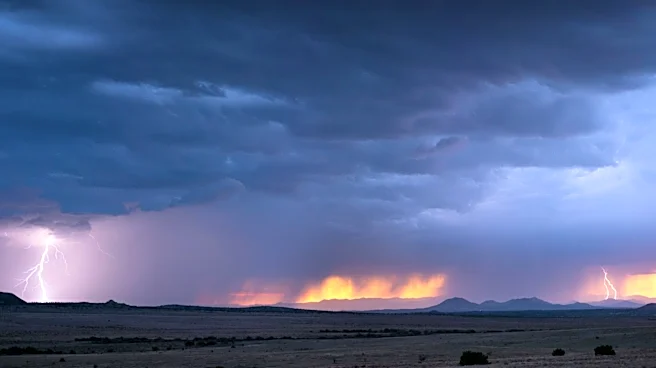
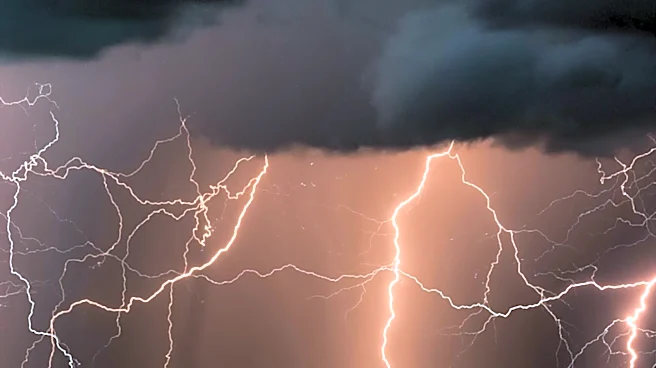
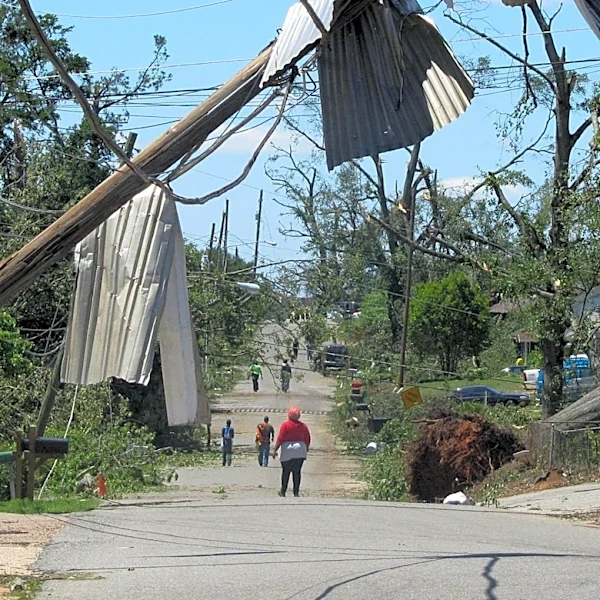
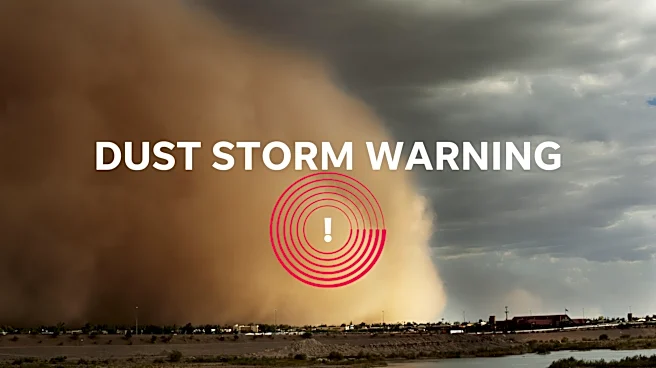
On August 9, monsoon storms swept through metro Phoenix, causing widespread damage and power outages. The storms brought strong winds, with gusts up to 84 mph, and heavy rain, leading to downed trees, utility poles, and power lines. Thousands of residents
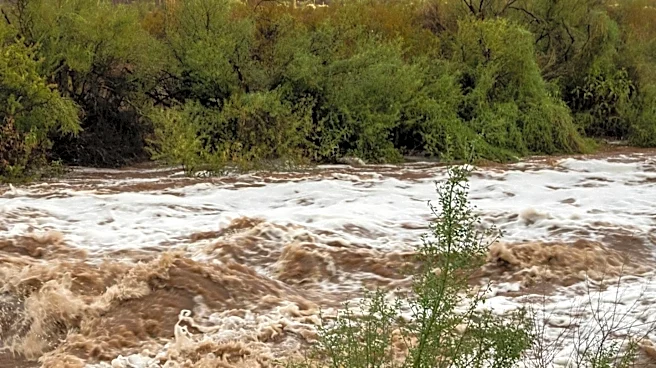
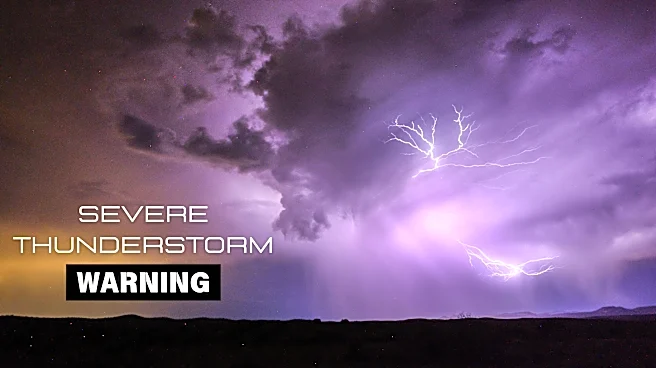
were left without power, and the storms caused flash flooding in some areas. The National Weather Service issued severe thunderstorm warnings, and emergency alerts were sent out. Crews are working to restore power and clear debris. The storms are part of a monsoon surge expected to continue through the week, bringing cooler temperatures and increased storm activity.
Why It's Important?
The monsoon storms highlight the challenges faced by urban areas in managing severe weather events. The power outages and infrastructure damage underscore the need for resilient systems and effective emergency response strategies. The storms also emphasize the importance of public awareness and preparedness in mitigating the impact of natural disasters. The ongoing monsoon surge provides an opportunity to assess and improve infrastructure resilience and emergency management practices. The incident serves as a reminder of the potential for increased frequency and intensity of severe weather due to climate change.
What's Next?
Crews will continue efforts to restore power and clear debris in affected areas. Residents may need to engage with insurance companies to address property damage. Local authorities will likely review emergency response protocols and infrastructure resilience strategies. The monsoon surge is expected to bring more storms, with the potential for heavy rain and flash flooding. Residents are advised to stay informed and prepared for further weather developments. The incident may prompt discussions on enhancing infrastructure resilience and emergency management strategies in the face of climate change.