





What's Happening?
The International Energy Agency (IEA) has issued a stark warning about the ongoing global energy crisis, which has been exacerbated by the conflict in Iran. According to Fatih Birol, the executive director of the IEA, the world is currently facing the largest
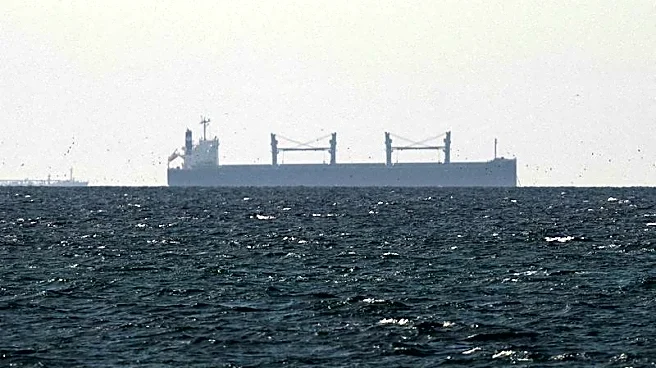
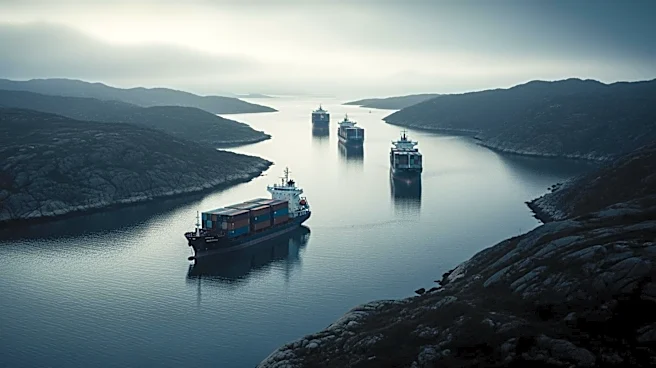
energy security threat in history. The crisis has been intensified by a 'double blockade' in the Strait of Hormuz, a critical chokepoint for global oil trade, where neither Iran nor the U.S. is allowing ships to pass. This blockade has resulted in a significant reduction in oil transit, with only a few tankers moving through the strait compared to prewar levels. The situation has led to elevated oil prices, with Brent crude oil prices rising above $103 a barrel. The IEA has responded by releasing emergency oil stocks to mitigate the impact, but Birol emphasizes that reopening the Strait of Hormuz is essential to resolving the crisis.
Why It's Important?
The energy crisis has far-reaching implications for the global economy, affecting everything from fuel prices to airline operations. With 20% of the world's oil trade passing through the Strait of Hormuz, the blockade has disrupted supply chains and increased costs for consumers and businesses alike. The crisis is reminiscent of past energy shocks, such as the oil crises of the 1970s and the recent disruptions caused by the Russia-Ukraine war. However, the current situation is more severe, with a daily loss of 13 million barrels of oil. This has led to increased pressure on governments and industries to find alternative solutions and manage the economic fallout. The crisis highlights the vulnerability of global energy markets to geopolitical tensions and underscores the need for strategic planning and international cooperation to ensure energy security.
What's Next?
The resolution of the energy crisis hinges on the reopening of the Strait of Hormuz. The IEA has called for governments to implement cost-cutting measures, such as promoting public transportation, to alleviate the economic impact. However, these are temporary solutions, and the focus remains on diplomatic efforts to resolve the conflict in Iran and lift the blockade. The situation is likely to continue affecting global energy markets and economic stability until a long-term solution is found. Stakeholders, including political leaders and industry players, will need to navigate the complex geopolitical landscape to restore normalcy and prevent further disruptions.