





What's Happening?
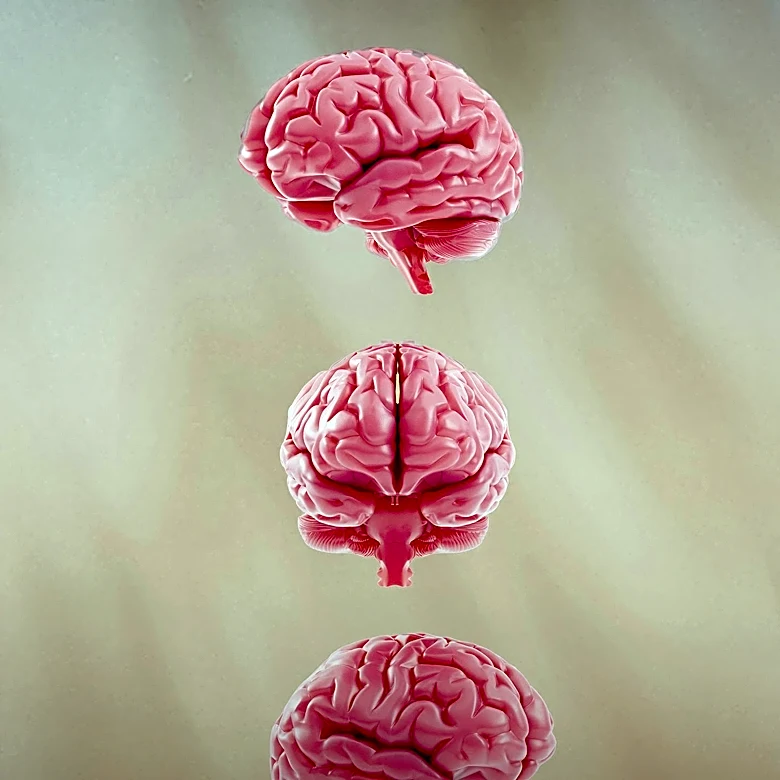
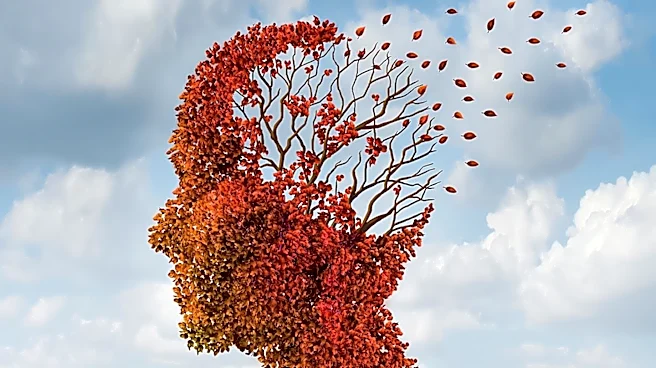
Recent research has shed light on the potential early indicators of Parkinson's disease, suggesting that symptoms may originate in the gut rather than the brain. Dr. Trisha Pasricha, a gastroenterologist and head of the Gut-Brain Institute, discussed
the 'first-gut theory' on the 'Healthful' podcast. This theory posits that misfolded proteins, which are a hallmark of Parkinson's, may begin in the gut and later affect the brain. Early symptoms such as constipation and REM sleep disorder could appear decades before traditional motor symptoms. Pasricha's research indicates that gastrointestinal issues often precede neurological symptoms in Parkinson's patients. Additionally, GLP-1 medications, known for their gastrointestinal side effects, may actually reduce the risk of certain cancers by decreasing inflammation.
Why It's Important?
This research is significant as it opens new avenues for early diagnosis and intervention in Parkinson's disease, potentially improving patient outcomes. Understanding the gut-brain connection could lead to novel treatment strategies that address the disease before it progresses to the brain. The findings also emphasize the importance of dietary fiber, as most Americans fail to meet recommended intake levels, which could impact overall health. By focusing on gut health, there is potential to not only manage Parkinson's but also reduce the risk of other diseases, highlighting the broader implications of nutrition on health.