




What's Happening?
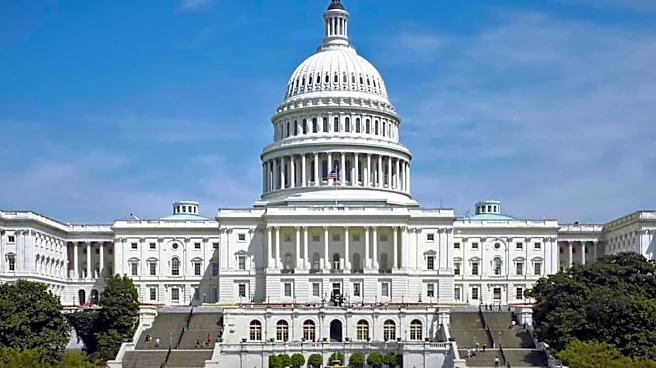
The House of Representatives has passed the AM Radio for Every Vehicle Act, H.R. 979, by a voice vote, moving the legislation to the Senate for consideration. This bill aims to ensure that all new passenger vehicles manufactured or sold in the United
States are equipped with the capability to receive AM radio signals. Texas Congresswoman Lizzie Fletcher, along with other lawmakers like Kentucky Congressman Brett Guthrie, emphasized the critical role of AM radio in emergency communications. They highlighted that during disasters, when electricity and cell services are often disrupted, AM radio serves as a vital source of information for millions of Americans, including farmers who rely on it for weather and crop reports, and older citizens for local news. The legislation seeks to prevent a communication gap during emergencies by mandating its inclusion in new vehicles.
Why It's Important?
The passage of the AM Radio for Every Vehicle Act is significant for public safety and emergency preparedness across the U.S. In times of natural disasters or widespread outages, AM radio often remains operational when other communication channels fail, providing essential information such as evacuation routes, safety instructions, and updates. The potential removal of AM radio from new vehicles by some manufacturers posed a risk to this critical communication infrastructure, particularly for rural communities and areas prone to severe weather. This bill ensures that a reliable, accessible, and free source of emergency information remains available to all Americans, regardless of their location or access to other technologies. It underscores the government's commitment to maintaining robust communication lifelines during crises, impacting millions of citizens who depend on these broadcasts for their safety and well-being.
What's Next?
The AM Radio for Every Vehicle Act, H.R. 979, will now proceed to the Senate for further consideration and a vote. If passed by the Senate and signed into law, the Secretary of Transportation will be directed to issue regulations requiring vehicle manufacturers to install AM radio reception equipment in all new passenger cars. This would necessitate adjustments in manufacturing processes for some automakers who have begun to omit AM radio from their vehicles. The legislation's journey through the Senate will likely involve discussions on implementation timelines, potential costs for manufacturers, and the broader implications for the automotive industry. Public safety advocates and emergency management agencies will closely monitor its progress, anticipating the reinforcement of a crucial communication tool.
Beyond the Headlines
This legislative effort highlights a broader societal reliance on traditional communication technologies, even in an era dominated by digital platforms. The debate over AM radio's inclusion in new vehicles brings to light the digital divide and the varying levels of access to modern communication tools across different demographics and geographic regions. While smartphones and internet-based services offer advanced features, their vulnerability during widespread power outages or infrastructure damage underscores the enduring value of simpler, more resilient technologies like AM radio. The act also touches upon the role of government in regulating product features for public good, balancing consumer choice with essential safety and communication needs. It serves as a reminder that a diverse communication ecosystem, incorporating both old and new technologies, is crucial for national resilience.