


What's Happening?
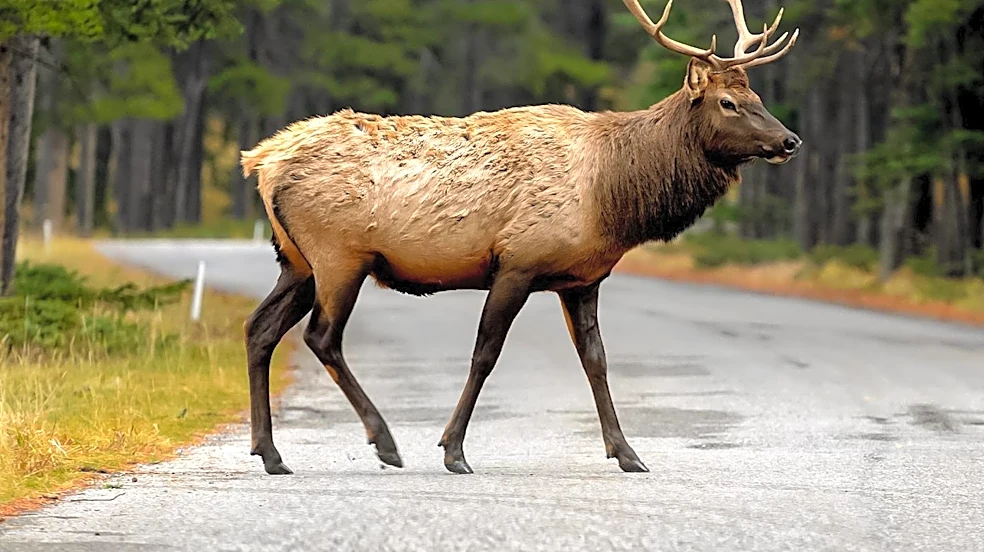
AAA is issuing a warning to drivers in the tri-state area regarding a rise in deer-related crashes. This alert follows a recent fatality in Galloway Township involving a collision between a vehicle and a deer. With deer mating season commencing, the frequency
of these accidents is projected to increase further. NBC4’s Pei-Sze Cheng reported on this trend from Long Island, emphasizing the heightened risk for motorists during this period.
Why It's Important?
The increase in deer crashes poses a significant safety risk to drivers and passengers, as evidenced by the recent fatality. These collisions can result in serious injuries, fatalities, and substantial vehicle damage, leading to increased insurance costs and healthcare expenditures. For the tri-state area, which includes densely populated regions and rural stretches, the interaction between wildlife and human infrastructure is a growing concern. The warning from AAA highlights a seasonal hazard that impacts public safety and economic well-being through property damage and medical costs.
What's Next?
Drivers are advised to exercise extreme caution, especially during dawn and dusk hours when deer are most active. AAA and local authorities will likely continue to issue public safety announcements to raise awareness about the increased risk. Potential measures could include enhanced road signage in high-risk areas or public education campaigns on how to react safely when encountering deer on the road. The trend may also prompt discussions among state and local agencies regarding wildlife management strategies and road safety improvements.
Beyond the Headlines
The rising number of deer crashes reflects a broader ecological and demographic trend: the expansion of deer populations into suburban and exurban areas. This phenomenon is driven by factors such as habitat fragmentation, reduced natural predators, and adaptation to human environments. Beyond immediate safety concerns, these incidents highlight the complex relationship between human development and wildlife. Addressing this issue effectively may require integrated approaches that consider land use planning, wildlife corridors, and public awareness to mitigate conflicts between humans and nature.