







What's Happening?
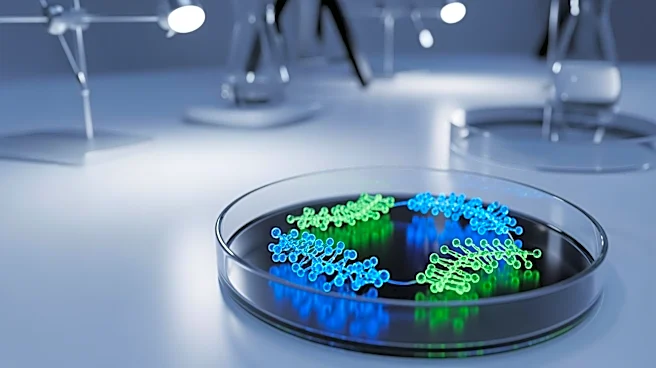
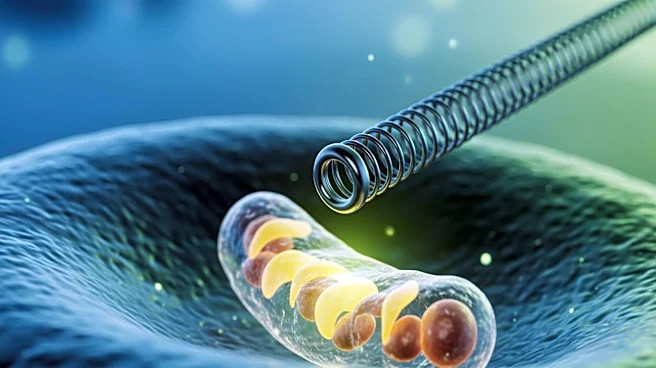
The Salk Institute has developed a scalable embryonic stem cell platform that enables detailed research into mitochondrial DNA in mice. This platform integrates mtDNA mutagenesis, cybrid technology, and optimized mouse transgenesis, allowing for the creation
of mice with specific mitochondrial DNA mutations. Researchers can study the symptoms and mechanisms of these mutations, which is crucial for designing targeted therapies. The platform has already generated a library of 155 mitochondrial DNA mutant cell lines, providing insights into the correlation between mitochondrial function and mouse development. This advancement is expected to accelerate therapeutic development for mitochondrial disorders and other diseases linked to mitochondrial dysfunction.
Why It's Important?
Mitochondrial DNA mutations are linked to a variety of inherited diseases and conditions, including cancer and aging. The ability to study these mutations in a controlled environment using the new platform can significantly enhance understanding of mitochondrial function and its impact on health. This research is crucial for developing therapies for mitochondrial disorders, which often have devastating effects on high-energy organs like the brain and heart. By providing a diverse library of mutant cell lines, the platform offers a valuable resource for modeling human mtDNA variations, potentially leading to breakthroughs in treating diseases associated with mitochondrial dysfunction.