




What's Happening?
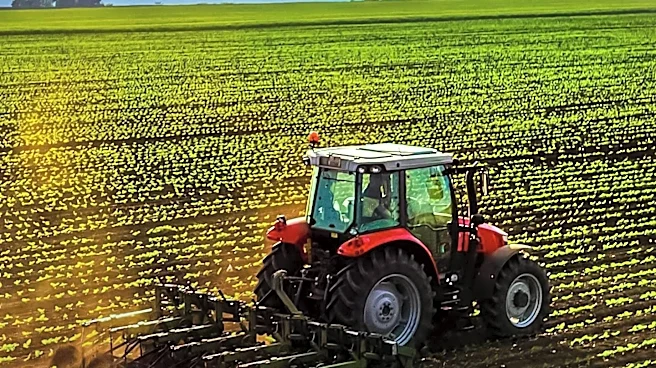
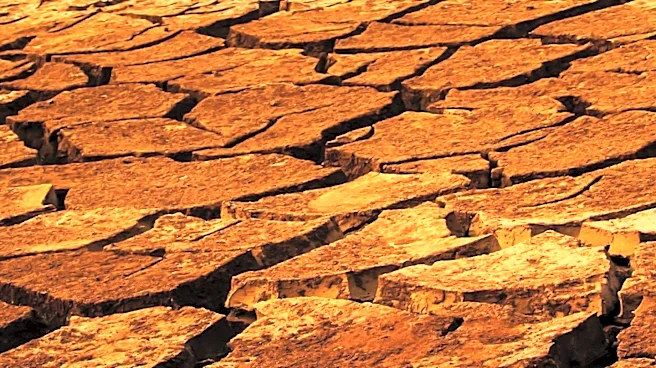
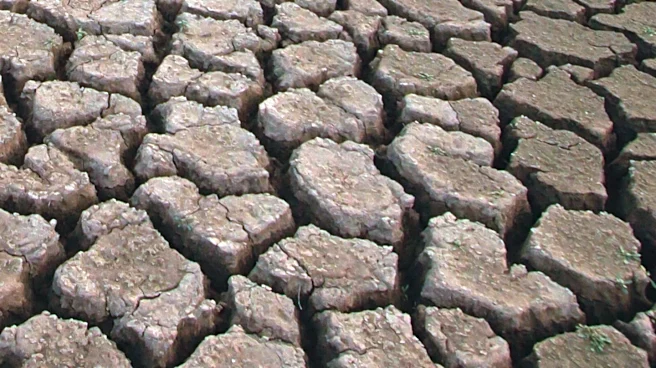
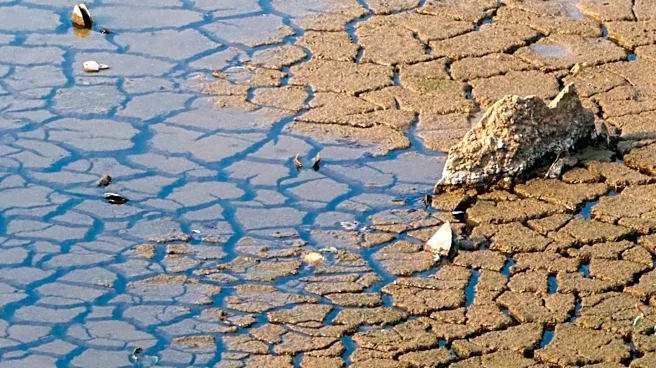
Drought conditions across parts of the United States are affecting agriculture, prompting home gardeners to adapt their practices. The National Drought Mitigation Center and National Integrated Drought Information System highlight the importance of smart
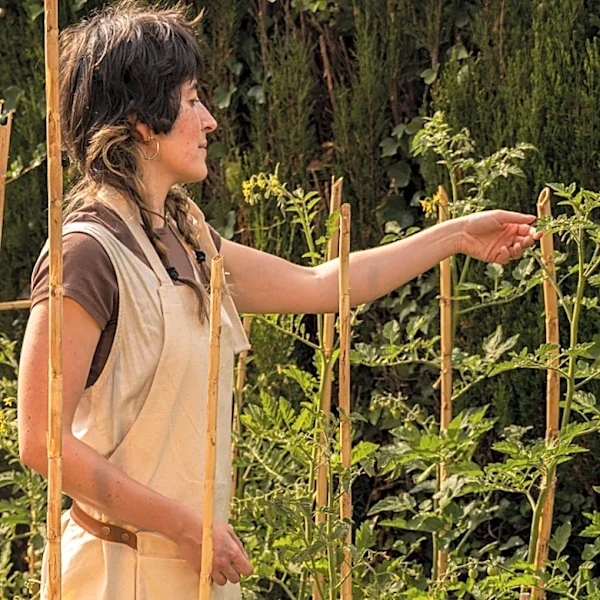
watering, healthy soil, and mulch to mitigate the effects of dry weather. Home gardens often experience the impact of drought before it is evident in grocery stores, as dry conditions can alter plant growth and water needs. Gardeners are encouraged to monitor signs of drought stress, such as wilting leaves and reduced vegetable production, and to adjust watering habits accordingly. Soil health is crucial, with compost and mulch recommended to retain moisture and stabilize temperatures. Different soil types require tailored watering strategies, and efficient irrigation systems can conserve water.
Why It's Important?
The ongoing drought conditions have significant implications for both agriculture and home gardening. As farms struggle with limited rainfall, home gardeners face similar challenges, which can affect food production and availability. By adopting water-efficient practices, gardeners can help mitigate the impact of drought on their landscapes, potentially reducing the need for increased water usage and preserving resources. This situation underscores the broader issue of water management in agriculture and the importance of sustainable practices to ensure food security and environmental health. The ability of gardeners to adapt to changing conditions can serve as a model for larger agricultural operations facing similar challenges.
What's Next?
Gardeners are advised to continue monitoring weather patterns and adjust their practices as needed. The adoption of drought-resistant plants and efficient watering systems can help manage future dry periods. As climate patterns evolve, both home gardeners and agricultural producers may need to implement long-term strategies to cope with water scarcity. This could involve investing in technology and infrastructure to improve water use efficiency and exploring alternative crops that are more resilient to drought conditions.