







What's Happening?
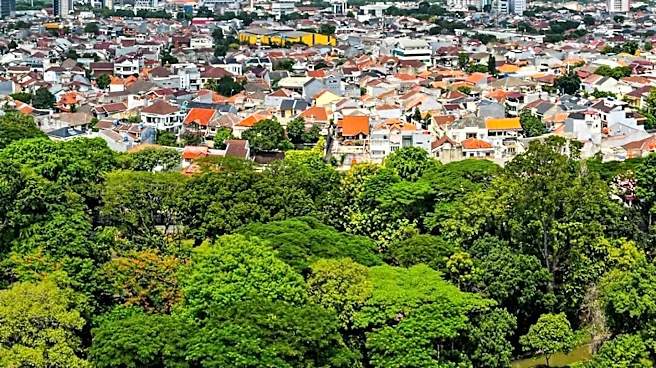
A study by public health researchers from Australia and the US has found a correlation between access to green spaces, such as private gardens and parks, and a reduced risk of type 2 diabetes. Using data from over 400,000 UK Biobank participants, the study observed
that individuals with substantial green space near their homes were less likely to develop type 2 diabetes. The research suggests that green spaces may encourage physical activity, improve mental health, and expose individuals to beneficial microbes, all of which can contribute to lower diabetes risk.
Why It's Important?
This study highlights the potential health benefits of urban planning that incorporates green spaces. As type 2 diabetes continues to be a significant public health issue, understanding environmental factors that can mitigate risk is crucial. The findings suggest that access to green spaces could be a simple yet effective strategy to promote public health and reduce healthcare costs associated with diabetes. Additionally, the study underscores the importance of considering public health in urban development, particularly in addressing health disparities among lower-income populations who may have limited access to green spaces.
What's Next?
Urban planners and policymakers may need to prioritize the inclusion of green spaces in residential developments to enhance public health outcomes. Further research could explore the specific mechanisms by which green spaces influence diabetes risk, potentially leading to targeted interventions. As awareness of the health benefits of green spaces grows, there may be increased advocacy for policies that ensure equitable access to these areas, particularly in underserved communities. This could lead to broader discussions on the role of environmental factors in chronic disease prevention and health promotion.