




What's Happening?
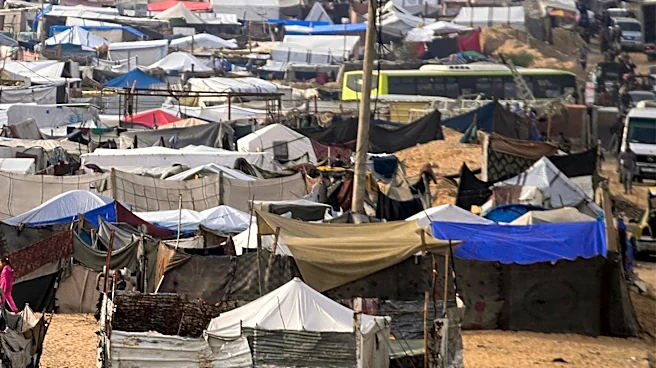
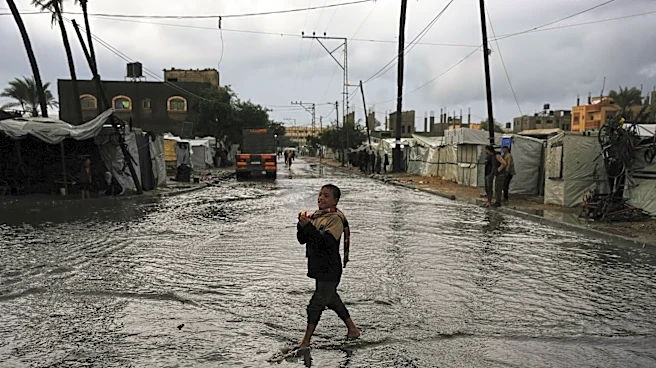
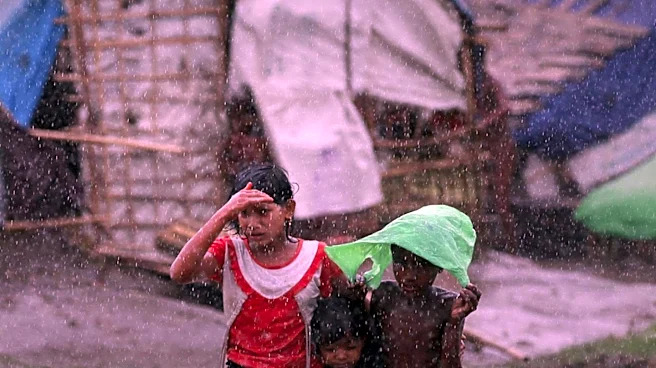
The United Nations Office for the Coordination of Humanitarian Affairs (OCHA) has issued a warning regarding the immediate risk faced by displaced families in the Gaza Strip due to heavy rains flooding shelters. Most of Gaza's 2.1 million residents remain
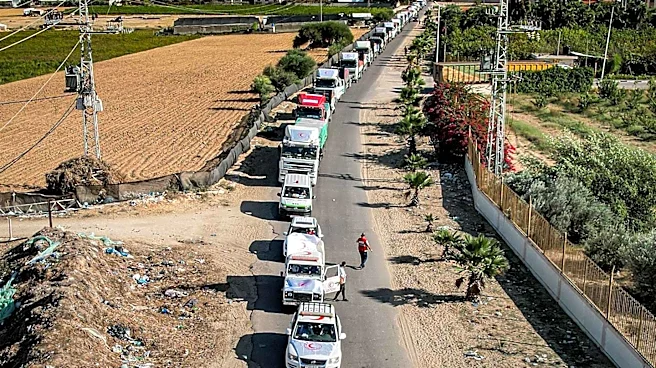
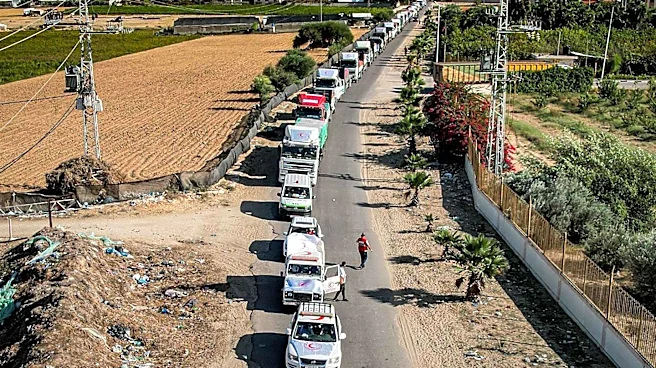
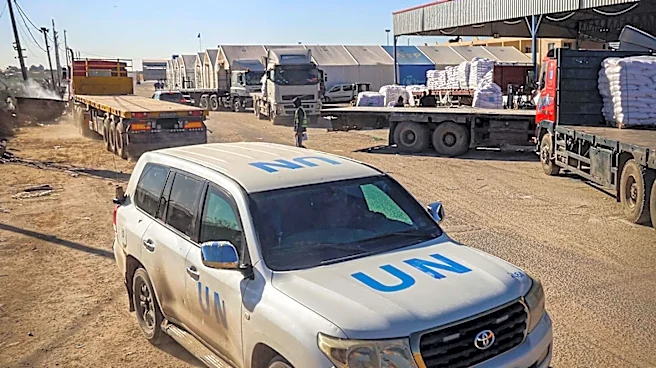
displaced, with many seeking refuge in deteriorating tents that offer minimal protection against worsening weather conditions. OCHA expressed deep concern for affected families and those most exposed to these conditions. Humanitarian organizations are distributing emergency supplies and providing assistance, but available stocks are insufficient to meet the growing needs. The agency highlighted that months of funding shortfalls and restrictions have severely hampered preparation efforts. OCHA has called for the urgent entry of winter supplies, heavy machinery, engine oil, and spare parts to keep humanitarian vehicles and generators operational, and stressed the need for additional financial support to sustain humanitarian operations and protect vulnerable families.
Why It's Important?
The flooding of shelters in Gaza due to heavy rains underscores a critical humanitarian crisis with severe implications for the health and safety of displaced populations. The lack of adequate shelter and essential supplies, exacerbated by funding shortfalls and restrictions, creates a dire situation where vulnerable families are exposed to harsh weather, disease, and further displacement. This situation highlights the urgent need for international intervention and sustained humanitarian aid to prevent a worsening catastrophe. The inability of humanitarian organizations to meet basic needs due to insufficient resources and access restrictions points to a systemic failure in protecting civilian populations in conflict zones. The long-term impact could include increased mortality rates, widespread illness, and further destabilization of the region, affecting global humanitarian efforts and potentially influencing international relations.
What's Next?
OCHA's immediate call for winter supplies, heavy machinery, and financial support indicates a critical need for rapid international response. The focus will be on securing these resources and ensuring their unimpeded entry into Gaza to address the immediate threats posed by the weather. Humanitarian organizations will likely continue to appeal for increased funding and access to deliver aid effectively. The international community will face pressure to facilitate the entry of necessary materials and provide financial assistance to prevent further deterioration of conditions for displaced families. Without swift action, the humanitarian situation is expected to worsen, potentially leading to increased casualties and a more profound public health crisis. The effectiveness of these efforts will depend on political will and cooperation among various international actors.
Beyond the Headlines
The ongoing crisis in Gaza, particularly the vulnerability of displaced populations to natural elements like heavy rains, reveals deeper issues concerning the protection of civilians in conflict and the efficacy of international humanitarian law. The 'months of funding shortfalls and restrictions' mentioned by OCHA suggest a broader challenge in sustaining humanitarian operations in protracted crises, where political complexities often impede aid delivery. This situation raises ethical questions about the responsibility of the international community to provide safe havens and essential services to those displaced by conflict. It also highlights the long-term consequences of infrastructure damage and resource scarcity, which can render populations highly susceptible to environmental hazards. The inability to provide basic shelter and warmth points to a profound failure in upholding fundamental human rights, potentially setting a precedent for future humanitarian responses in similar contexts.