
What's Happening?
Metrolink, Southern California's regional passenger rail provider, has been awarded a nearly $29 million grant by the California State Transportation Agency (CalSTA). This funding, allocated through the Transit
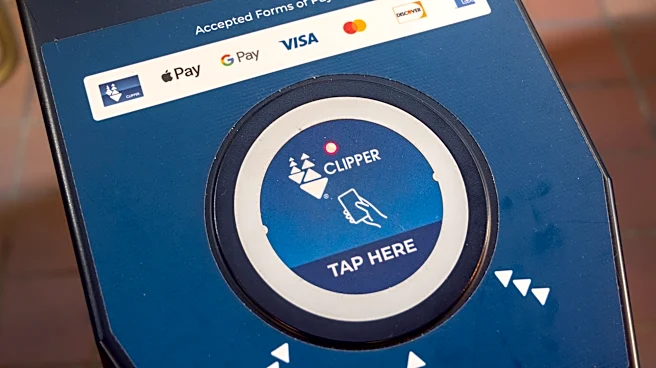
and Intercity Rail Capital Program (TIRCP) 2026 grant cycle, is designated to enhance integrated payment and journey planning initiatives. The primary goal is to attract new riders and improve regional mobility. A key improvement will be the systemwide implementation of contactless 'tap-and-go' payment functionality, which is currently only available on the San Bernardino Line and Arrow service. This expansion will allow passengers to use credit or debit cards or mobile wallets to pay fares without needing to purchase tickets in advance. LA Metro has already introduced similar technology across its bus and rail operations. The grant will also improve trip-planning tools, simplify fare discount applications for eligible riders, and streamline ticketing and transfers between different transit operators.
Why It's Important?
This significant state investment is crucial for modernizing Southern California's public transit infrastructure, aligning it with global standards seen in cities like London and New York. By expanding contactless payment options, Metrolink aims to remove barriers to travel, making public transportation more accessible and convenient for a broader demographic. This initiative is expected to boost ridership, which in turn can help reduce traffic congestion and improve air quality across the region. The integration of payment and journey planning tools will create a more seamless travel experience, benefiting both daily commuters and occasional riders. Furthermore, these enhancements are particularly timely as Southern California prepares to host international visitors in 2028, ensuring a more efficient and user-friendly transit system for major global events.
What's Next?
The $28.97 million TIRCP grant will facilitate the systemwide rollout of contactless payment technology across Metrolink's six-county service area. This expansion will build upon the existing pilot program on the San Bernardino Line and Arrow service. In addition to payment upgrades, Metrolink will focus on improving trip-planning tools and simplifying fare discount processes and inter-operator transfers. These developments are expected to be implemented in the coming years, with a significant push to have them fully operational before Southern California hosts major international events in 2028. Metrolink, in collaboration with partners like CalSTA, Cal-ITP, and the Southern California Association of Governments (SCAG), will continue to work towards a more connected and coordinated regional public transportation network.
Beyond the Headlines
The shift towards integrated, contactless payment systems in public transit reflects a broader trend in urban development and smart city initiatives. Beyond the immediate convenience for riders, this modernization effort has deeper implications for data collection and urban planning. The ability to track ridership patterns more accurately through digital payments can inform future route optimizations, service expansions, and resource allocation. It also underscores a commitment to sustainability by encouraging public transit use over private vehicles, contributing to long-term environmental goals. The success of such integrated systems could serve as a model for other U.S. regions looking to enhance their public transportation networks and prepare for future population growth and major events.