

What's Happening?
Recent clashes in Gaza have resulted in an IDF officer being seriously wounded, underscoring ongoing tensions with Hamas. Despite Israeli leaders framing these incidents as 'serious violations,' Hamas continues to operate and strengthen in the region.
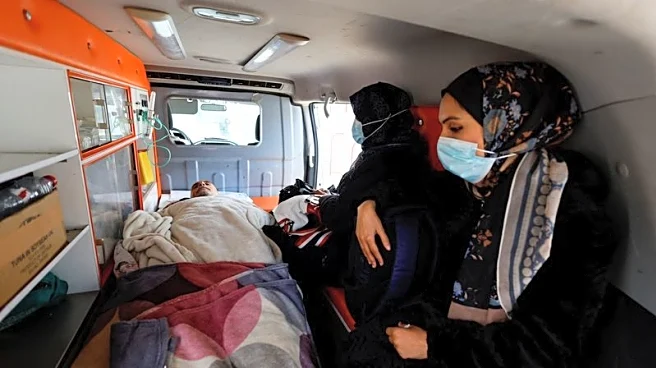
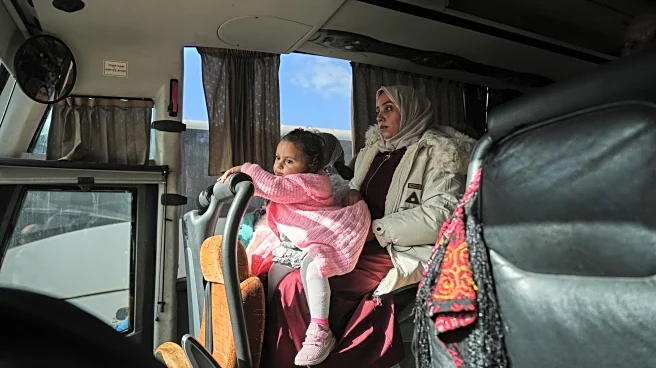
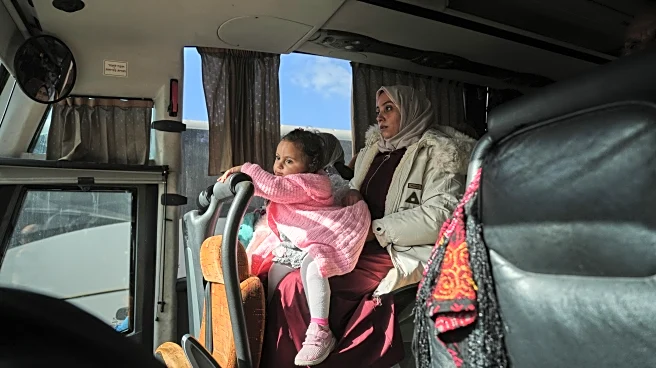
The Israeli government's initial war goals, including dismantling Hamas and demilitarizing Gaza, remain largely unfulfilled. The Rafah crossing has reopened, facilitating the movement of goods and people, contrary to previous promises. A new 'peace committee' involving Qatar and Turkey has emerged, resembling the Palestinian Authority, further complicating the situation.
Why It's Important?
The persistence of Hamas in Gaza poses a significant challenge to Israeli security and undermines public trust in government assurances. The failure to achieve stated war objectives could erode Israel's deterrence capabilities and affect regional stability. The reopening of the Rafah crossing and the involvement of international actors like Qatar and Turkey may alter the geopolitical landscape, potentially impacting future peace negotiations. The situation highlights the complexities of achieving lasting peace and security in the region.
What's Next?
As Hamas continues to rebuild, Israel may face increased security challenges, necessitating a reassessment of military and diplomatic strategies. The Israeli government may need to address public concerns over unmet war goals and restore confidence in its security policies. International stakeholders, including the U.S. and EU, may play a role in mediating future developments. The evolving dynamics in Gaza could influence broader Middle Eastern geopolitics, with potential implications for regional alliances and peace efforts.