
What's Happening?
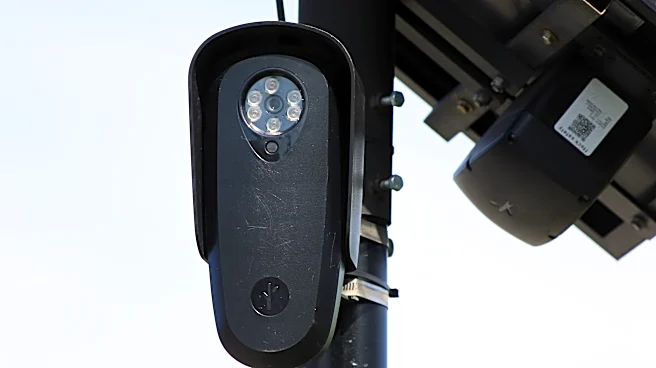
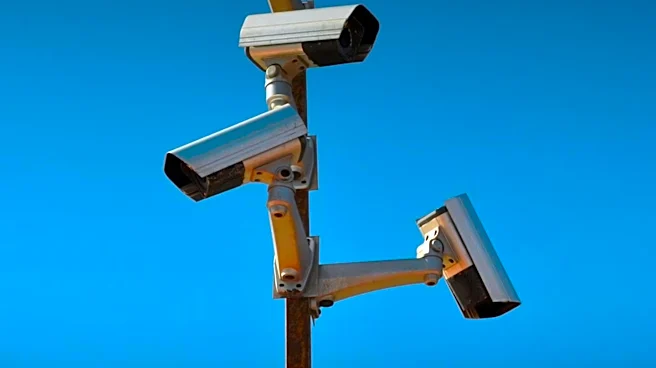
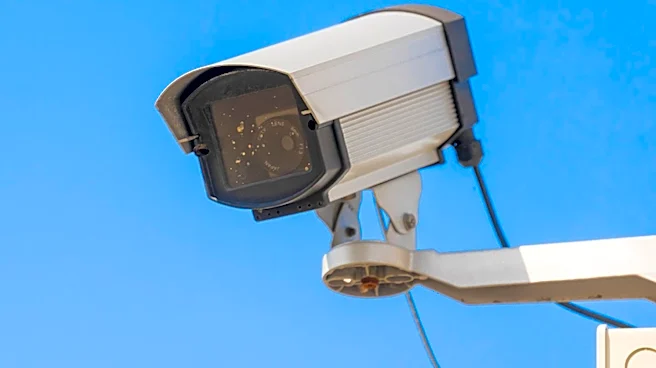
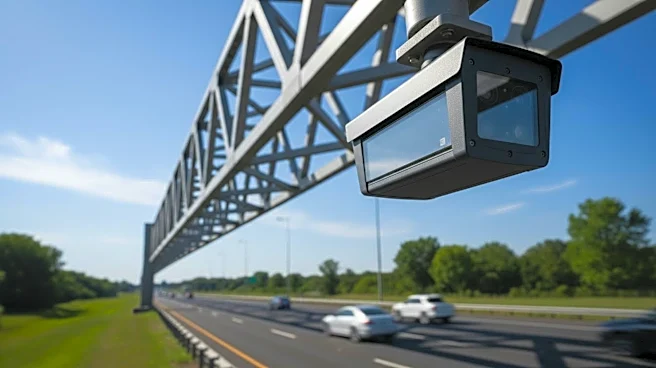
North Carolina has legalized the permanent installation of Automated License Plate Readers (ALPRs) along state-maintained roads and highways, following a successful pilot program. This new provision, embedded
in the state's budget, allows the Department of Transportation to make its land and rights-of-way available for these fixed cameras. Given that North Carolina manages approximately four out of every five road miles in the state, this significantly expands the potential reach of ALPR technology. The State Bureau of Investigation is authorized to act on behalf of federal, state, and local law enforcement agencies in utilizing this system. The law explicitly states that ALPR data cannot be used for enforcing traffic violations. Instead, the cameras capture details such as time, location, and sometimes vehicle make, model, and color for every passing plate. This data is intended for use by officers in investigating crimes, tracking stolen vehicles, or locating missing persons. The pilot program, which ran for about eight months, involved 140 camera locations and captured over 152 million plate reads, generating 956 NCIC alerts, with 227 of those being for stolen vehicles.
Why It's Important?
The widespread implementation of ALPR technology in North Carolina marks a significant expansion of surveillance capabilities within the state, raising important questions about privacy and civil liberties. While proponents argue the technology is a valuable tool for law enforcement in solving crimes and locating missing persons, critics express concerns about mass surveillance and the potential for mission creep. The ability to retain data for 90 days, with provisions for longer preservation under specific requests, means a vast amount of information on innocent drivers' movements can be collected and stored. This could set a precedent for other states considering similar expansions of surveillance infrastructure. The debate centers on balancing public safety with individual privacy rights, particularly as the technology's effectiveness in generating actionable alerts is weighed against the sheer volume of data collected on the general public. The move could influence policy discussions nationwide regarding the deployment and regulation of AI-powered surveillance tools by government agencies.
What's Next?
Following the legalization, North Carolina will likely see a gradual increase in the deployment of ALPR cameras across its extensive road network. Local policies, rather than a single statewide code, will largely govern the implementation and specific operational aspects of the program, which could lead to variations in how the technology is used and regulated across different jurisdictions within the state. Civil liberties organizations, such as the ACLU of N.C., are expected to continue monitoring the program closely and advocating for stricter limitations on data retention and usage, potentially challenging the scope of the law through legal or legislative means. The ongoing debate will likely focus on the balance between law enforcement's need for investigative tools and citizens' rights to privacy, with potential future legislative efforts aimed at refining the rules around data access, sharing, and retention periods. The effectiveness of the system in crime reduction versus its impact on privacy will remain a key point of discussion.
Beyond the Headlines
The legalization of AI-powered ALPRs in North Carolina delves into deeper ethical and societal implications concerning the nature of privacy in an increasingly surveilled world. The technology's capacity to track the movements of every vehicle, regardless of suspicion, transforms public spaces into areas of constant monitoring. This raises questions about the 'chilling effect' it might have on freedom of assembly and expression, as individuals may feel their movements are being recorded and potentially scrutinized. The potential for data sharing with various agencies, including those involved in immigration enforcement or other sensitive investigations, as highlighted by critics, underscores concerns about how this data could be repurposed beyond its initial intent. Furthermore, the reliance on AI in such systems brings forth discussions about algorithmic bias and the potential for errors in identification or data interpretation, which could have significant consequences for individuals. This development is part of a broader trend of integrating advanced surveillance technologies into public infrastructure, prompting a reevaluation of the social contract between citizens and the state regarding data collection and privacy.