




What's Happening?
A new independent analysis by 5 Lakes Energy indicates that the average Wisconsin household could save $380 on their electricity bill by 2028. This potential saving hinges on state lawmakers and regulators implementing specific policy actions aimed at curbing
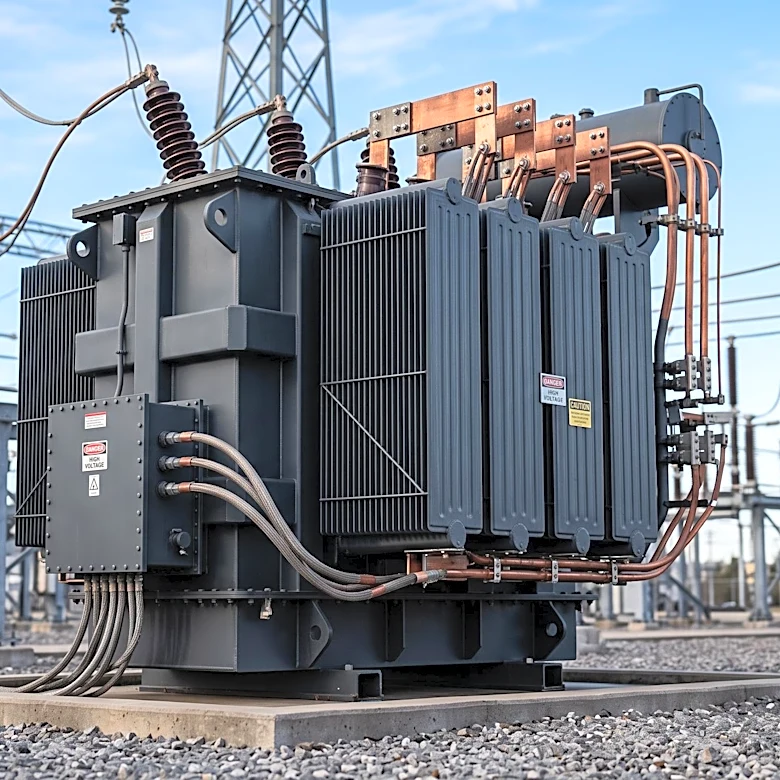
utility profits and ensuring large energy users, particularly data centers, contribute their fair share to electricity costs. The analysis proposes three key policy interventions: requiring data centers to cover their full grid costs plus an additional 2 cent per kWh surcharge, lowering the authorized return on equity for investor-owned utilities, and expanding investments in clean energy, energy efficiency, and electrification. Data centers are projected to account for approximately 25% of Wisconsin's electricity generation by 2028, creating significant pressure on the electric grid. Without these reforms, households and small businesses risk subsidizing the energy demands of these large corporations.
Why It's Important?
This analysis highlights a critical issue for Wisconsin consumers: the rising cost of electricity driven by utility profit motives and the increasing energy demands of data centers. The proposed policy changes aim to rebalance the financial burden, ensuring that the costs associated with new energy infrastructure and increased consumption are not disproportionately borne by residential customers. If implemented, these reforms could provide tangible financial relief to families and small businesses, addressing concerns about affordability and rising energy burdens. Furthermore, by encouraging data centers to pay their fair share, the state could generate revenue that could be reinvested into clean energy solutions, fostering a more sustainable and equitable energy system. The report underscores the power of state-level policy to directly impact household finances and shape the future of energy consumption and infrastructure development.
What's Next?
The Public Service Commission of Wisconsin (PSCW) and the state Legislature possess the authority to enact the proposed reforms. Policymakers are urged to act promptly to address utility profits and protect consumers from the financial impacts of large tech companies' energy demands. State Representative Angela Stroud (D-Ashland) has indicated readiness to pass legislation aimed at reducing utility costs and prioritizing public interest. The National Resources Defense Council and the Citizens Utility Board (CUB) are also advocating for these changes, emphasizing the need for stronger oversight of utilities. The implementation of these policies could lead to a significant shift in how electricity costs are allocated and managed in Wisconsin, potentially setting a precedent for other states facing similar challenges with growing data center energy consumption.
Beyond the Headlines
The debate over who pays for increased electricity demand, particularly from data centers, touches upon broader themes of corporate responsibility, consumer protection, and sustainable economic development. The rapid growth of the tech sector, especially in artificial intelligence, necessitates massive energy consumption, raising ethical questions about the environmental and economic externalities borne by local communities. This situation could prompt a re-evaluation of regulatory frameworks governing utility profits and the energy consumption of large industrial users. It also presents an opportunity to accelerate investment in renewable energy and energy efficiency, as meeting increased demand with cleaner sources can mitigate environmental impact and potentially stabilize long-term energy costs. The outcome in Wisconsin could influence national discussions on how states can balance technological advancement with equitable energy policies and environmental stewardship.