




What's Happening?
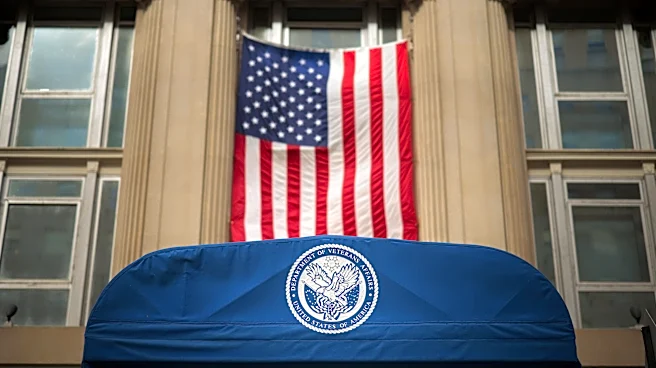
Department of Veterans Affairs (VA) Secretary Doug Collins announced initiatives aimed at enhancing and streamlining services for veterans. During an interview on 'In Focus Kentucky,' Collins detailed a pilot program set to launch nationwide, enabling
veterans to access VA websites and health portals using biometric authentication, such as facial recognition and fingerprints. This system is designed to keep veterans logged in for up to 45 days, simplifying appointment scheduling and information access. Collins also highlighted the VA's commitment to community care, particularly for veterans in remote areas, and reported a 46% reduction in claims processing time over the past year. The VA has invested over $5 billion in facility renovations and upgrades, addressing the age of many VA hospitals, which average around 60 years old. Collins emphasized that technology serves as a tool to augment, not replace, direct human interaction with veterans, focusing on healthcare, benefits, and cemeteries.
Why It's Important?
These advancements are crucial for improving the accessibility and efficiency of services for millions of U.S. veterans. The implementation of biometric login will significantly reduce administrative hurdles, allowing veterans to more easily manage their healthcare and benefits. This is particularly impactful for older veterans and those with disabilities who may struggle with complex login procedures. The expansion of community care ensures that veterans, especially those in rural or underserved areas, can receive timely medical attention without extensive travel to VA facilities. The reduction in claims processing time directly benefits veterans by providing quicker access to their earned benefits, which can be vital for financial stability and well-being. The substantial investment in infrastructure upgrades addresses long-standing issues with aging facilities, aiming to provide modern and effective care environments. Ultimately, these efforts are designed to enhance the overall quality of life and support systems for those who have served the nation.
What's Next?
The nationwide rollout of the biometric login pilot program is anticipated, which will require widespread adoption and integration across various VA digital platforms. Continued investment in community care initiatives will likely involve further partnerships with local healthcare providers and ongoing assessment of their effectiveness in reaching all veterans. The VA will also proceed with its extensive renovation and construction projects for its facilities across the country, with a focus on completing projects like the Louisville VA facility. Secretary Collins indicated that technology will remain a central focus, but always with the objective of improving veteran contact rather than replacing it. The VA workforce will continue to adapt to these updated systems and organizational changes, particularly within the healthcare sector, to ensure seamless service delivery.
Beyond the Headlines
The strategic integration of advanced technology, such as biometrics, into veteran services raises important considerations regarding data privacy and security. While offering convenience, the use of facial recognition and fingerprints necessitates robust safeguards to protect sensitive personal and health information. The emphasis on community care also highlights a broader shift in healthcare delivery, moving towards decentralized models that prioritize local access and personalized care. This approach could serve as a blueprint for other large-scale public health systems. Furthermore, the VA's commitment to maintaining a 'human touch' amidst technological advancements underscores a critical ethical balance in public service: leveraging efficiency tools without sacrificing the empathetic and personal support essential for vulnerable populations. This balance is vital for addressing not only physical health but also the mental health needs of veterans, ensuring they feel valued and connected.