
What's Happening?
The Trump administration has announced the creation of a new assistant attorney general position focused on addressing fraud. Vice President JD Vance revealed this development during a White House press
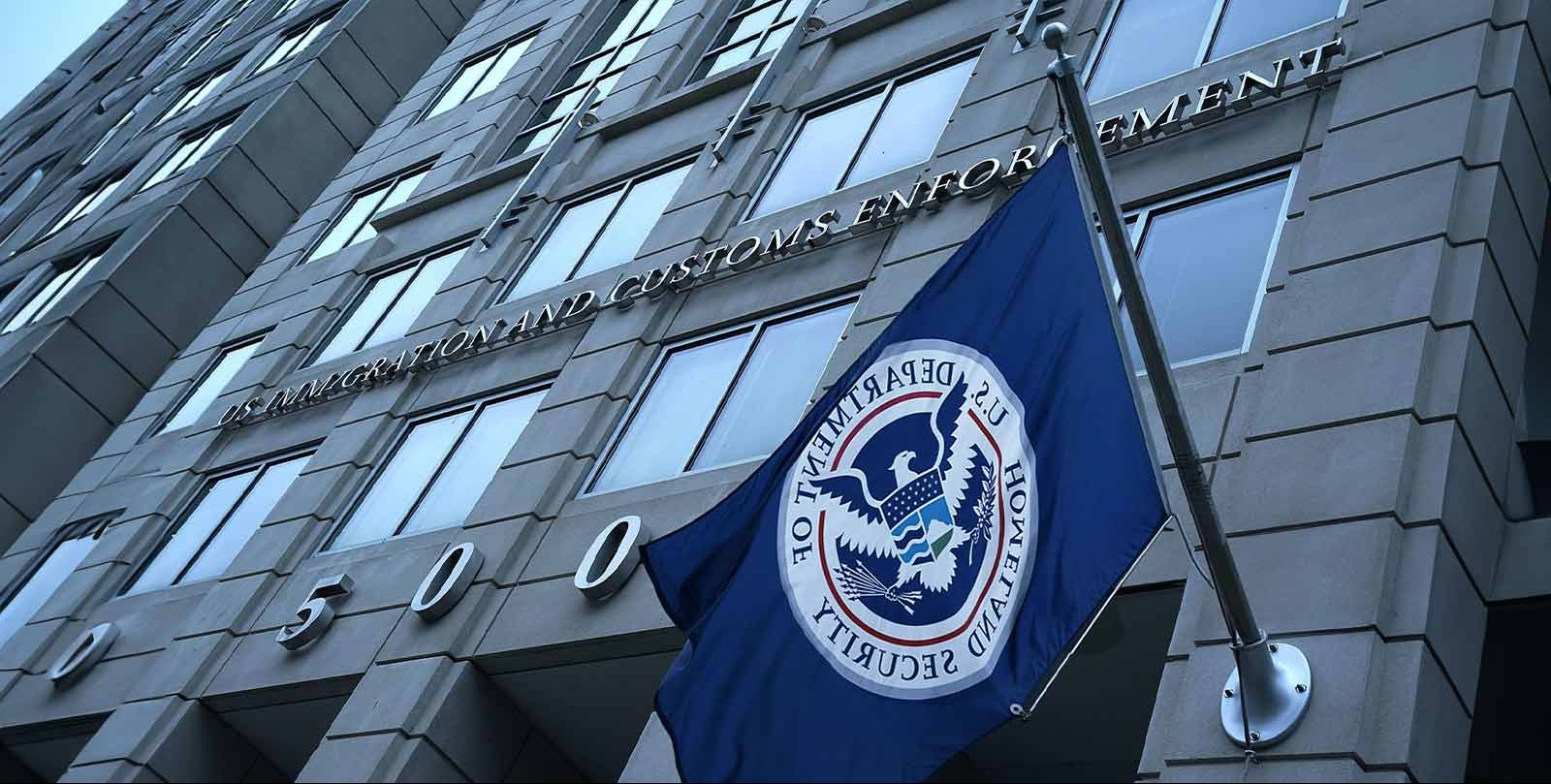
briefing, stating that the role will be Senate-confirmed and report directly to him and President Trump. The initiative comes amid ongoing concerns about social services fraud in Minnesota, where federal prosecutors estimate the fraud could amount to $9 billion. The new position will initially focus on Minnesota but will have nationwide jurisdiction. The administration has also frozen $10 billion in funding for child care and social services programs in five states to review them for fraud. This move has been criticized by Democrats as retaliatory. The Department of Homeland Security has deployed agents to Minnesota to investigate, and other agencies have paused grants to the state.
Why It's Important?
The establishment of this new role underscores the administration's commitment to tackling fraud, which has significant implications for public trust and the allocation of federal resources. By focusing on fraud, the administration aims to ensure that taxpayer money is used effectively and that social services programs are not exploited. This move could lead to increased scrutiny and oversight of state-run programs, potentially affecting how states manage and report on these initiatives. The decision to freeze funding could have immediate impacts on the availability of services in the affected states, potentially leading to political and social tensions. The broader implications include a possible shift in how federal and state governments collaborate on social services, with increased federal oversight.
What's Next?
The new assistant attorney general will begin by focusing on Minnesota, with plans to expand efforts to other states. The role will involve working with an interagency task force to address fraud comprehensively. The Senate is expected to confirm the position swiftly, as promised by Senate Majority Leader John Thune. The administration's actions may prompt responses from state governments, particularly those affected by the funding freeze, and could lead to legal challenges or policy adjustments. The focus on fraud may also influence future legislative discussions on social services funding and oversight.