









What's Happening?
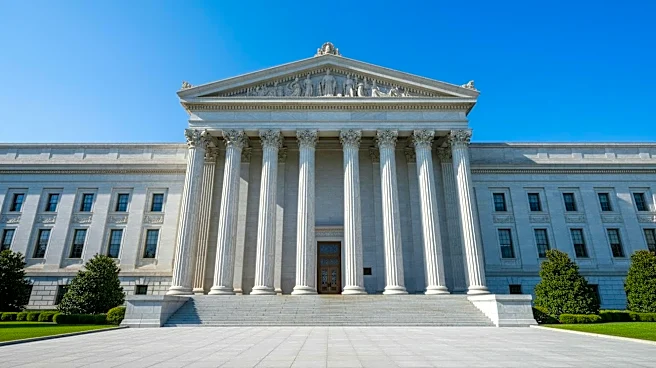
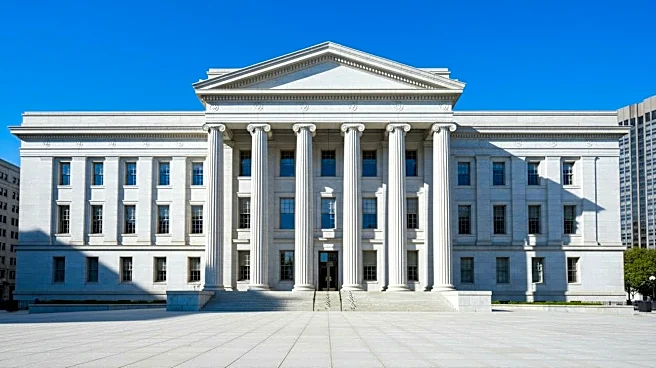
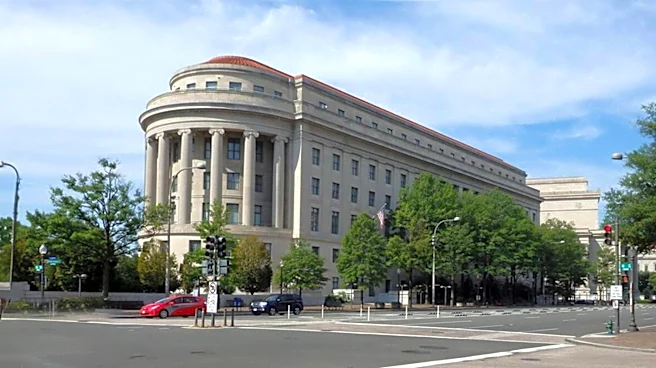
The U.S. Department of Justice and the Federal Trade Commission (FTC) have announced that they are closely monitoring the oil markets for any signs of price-fixing or monopolistic practices. This comes amid recent volatility in crude oil prices. In a letter
addressed to state attorneys general, Justice Department Associate Attorney General Stanley Woodward and FTC Chairman Andrew Ferguson emphasized that market volatility does not exempt companies from adhering to antitrust laws or state consumer protection laws. They warned against businesses using the current market conditions as a pretext for engaging in anticompetitive practices or fraud. The letter also highlighted the role states could play in addressing price-gouging, an area where the federal government lacks enforcement authority. The officials encouraged states to consider enforcing their own laws against price-gouging during periods of market disruption or emergencies.
Why It's Important?
The involvement of the Justice Department and FTC underscores the federal government's commitment to maintaining fair competition in the oil markets, which is crucial for protecting consumers from inflated prices. By urging state attorneys general to take action, the federal agencies are leveraging state-level enforcement capabilities to address potential misconduct that could harm consumers. This collaborative approach is significant as it aims to prevent companies from exploiting market volatility to engage in illegal practices that could lead to higher gasoline prices for Americans. The focus on price-gouging laws highlights the importance of state-level intervention in safeguarding consumer interests during economic disruptions.
What's Next?
As the Justice Department and FTC continue to monitor the oil markets, state attorneys general may begin investigations into potential price-gouging and anticompetitive practices. This could lead to legal actions against companies found to be violating state laws. The federal agencies' call for vigilance may also prompt legislative discussions on enhancing consumer protection laws at both state and federal levels. Stakeholders, including oil companies and consumer advocacy groups, are likely to respond to these developments, potentially influencing future regulatory measures.