



What's Happening?
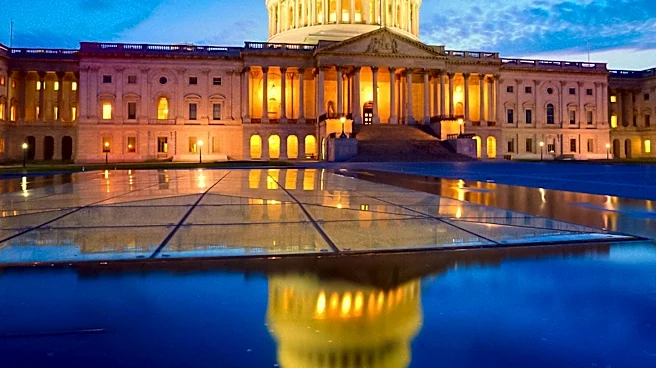
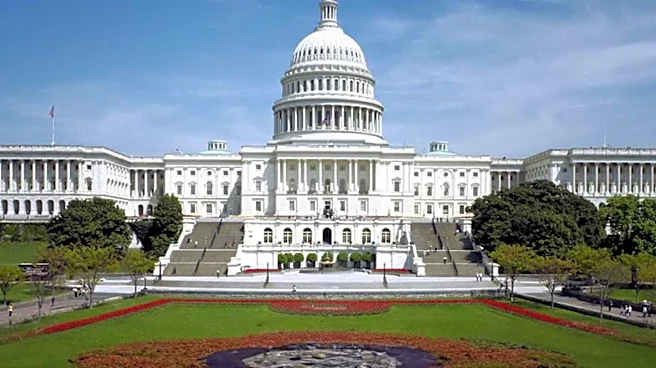
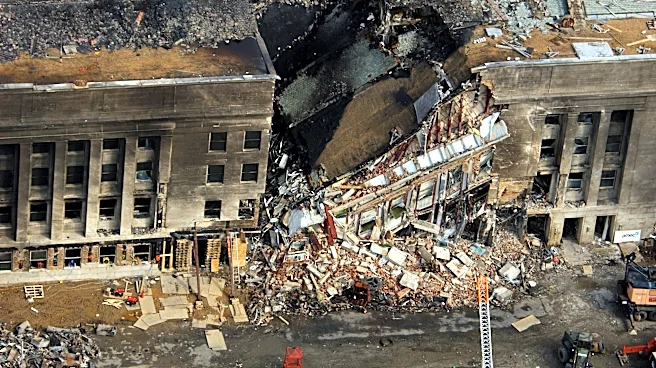
The U.S. House of Representatives' History, Art & Archives office has provided a detailed narrative of the events on Capitol Hill during the September 11, 2001, terrorist attacks. On that day, as terrorists struck New York City and Arlington, Virginia,
there was widespread concern that the U.S. Congress might be the next target. Members, officers, and staff of the U.S. House of Representatives recounted their experiences, including the House's emergency recess, the evacuation of the U.S. Capitol Building, and the secure relocation of House and Senate leaders. The narrative also covers the press conference held by Members on the Capitol steps later that evening, demonstrating their resolve and unity in the immediate aftermath of the attacks. This historical account serves to preserve the institutional memory of the legislative branch during a critical national crisis.
Why It's Important?
This historical account from the U.S. House of Representatives is crucial for understanding the immediate impact of the 9/11 attacks on the U.S. government and its continuity. It highlights the rapid response and decision-making processes undertaken by legislative leaders during an unprecedented national emergency. The evacuation of the Capitol Building and the secure relocation of congressional leaders underscore the gravity of the threat and the measures taken to protect the line of succession and governmental operations. The Members' press conference on the Capitol steps symbolized resilience and a unified front to the nation and the world, demonstrating that the government remained functional and resolute. This narrative provides valuable insights into how a major national crisis directly affected the legislative branch and its personnel, shaping future security protocols and emergency preparedness.
What's Next?
The U.S. House of Representatives' History, Art & Archives office will continue to preserve and interpret the heritage of the U.S. House, serving as a resource for Members, staff, and the general public. This includes maintaining records and oral histories related to significant events like 9/11. These historical resources will remain accessible for educational purposes and future research, ensuring that the institutional memory of the legislative branch is accurately documented and understood. The ongoing efforts to collect and share these narratives contribute to a comprehensive understanding of American history and the resilience of its democratic institutions. Future commemorations and educational initiatives will likely draw upon these archives to inform and educate new generations about the events of September 11, 2001.
Beyond the Headlines
The detailed account of 9/11 from the perspective of the U.S. House of Representatives offers a unique insight into the psychological and operational challenges faced by government officials during a national crisis. It reveals the human element within the halls of power, showing how individuals reacted under extreme pressure and uncertainty. The narrative also implicitly highlights the evolution of security measures and emergency protocols within the Capitol Building and other government facilities post-9/11. This institutional memory is vital for informing ongoing discussions about national security, emergency preparedness, and the protection of democratic processes. It underscores the symbolic importance of the Capitol Building as a target and the resilience required to maintain governmental functions even when under threat, reinforcing the enduring strength of American democracy.