







What's Happening?
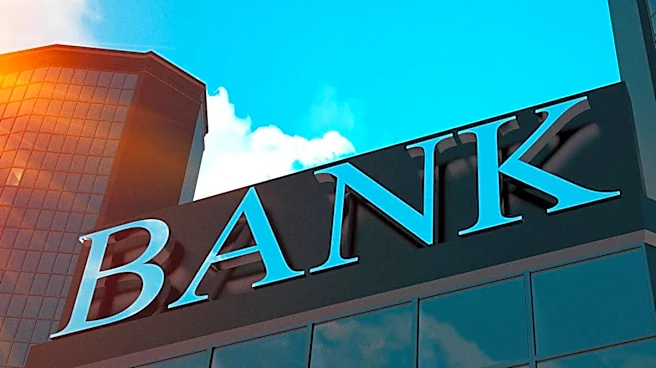
Ghana has successfully completed its three-year, $3 billion financial bailout program with the International Monetary Fund (IMF), receiving a final payout of $371 million. The program was initiated in response to severe economic challenges, including
high inflation, heavy debt, and a depreciating currency. Throughout the program, Ghana implemented significant reforms, such as restructuring debt, cutting unnecessary costs, and improving tax collection. These measures have stabilized the economy, strengthened the currency, and reduced debt risks, earning praise from the IMF.
Why It's Important?
The completion of the IMF program marks a critical milestone for Ghana's economic recovery and stability. The reforms have not only improved investor confidence but also set a foundation for sustainable economic growth. Ghana's experience highlights the importance of fiscal discipline and comprehensive policy measures in addressing economic crises. The successful conclusion of the program may serve as a model for other countries facing similar challenges, demonstrating the potential benefits of international financial assistance coupled with domestic reforms.
What's Next?
With the IMF program concluded, Ghana must continue its reform efforts independently to maintain economic stability and growth. The government will need to focus on sustaining fiscal discipline and addressing any remaining vulnerabilities. Continued engagement with international partners and adherence to sound economic policies will be crucial in ensuring long-term economic resilience. The success of these efforts will be closely watched by investors and international stakeholders.