





What's Happening?
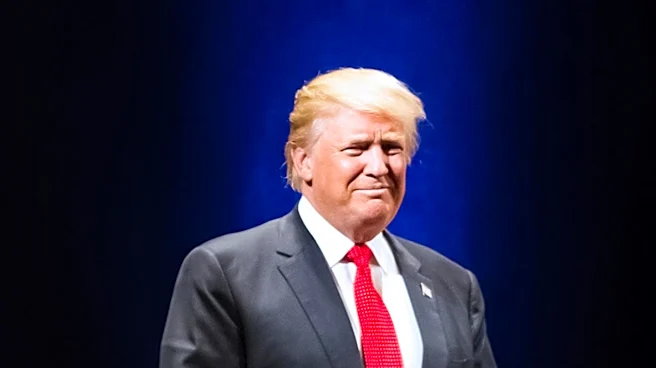
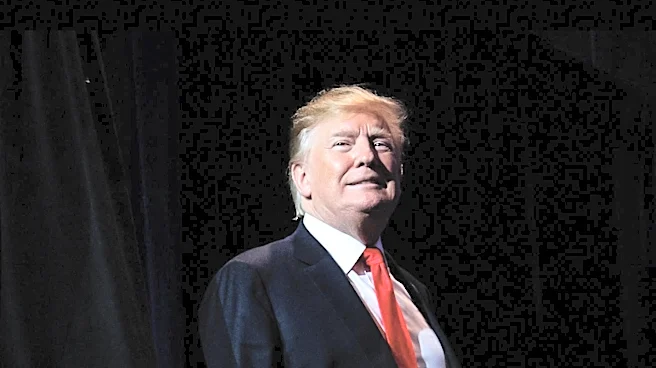
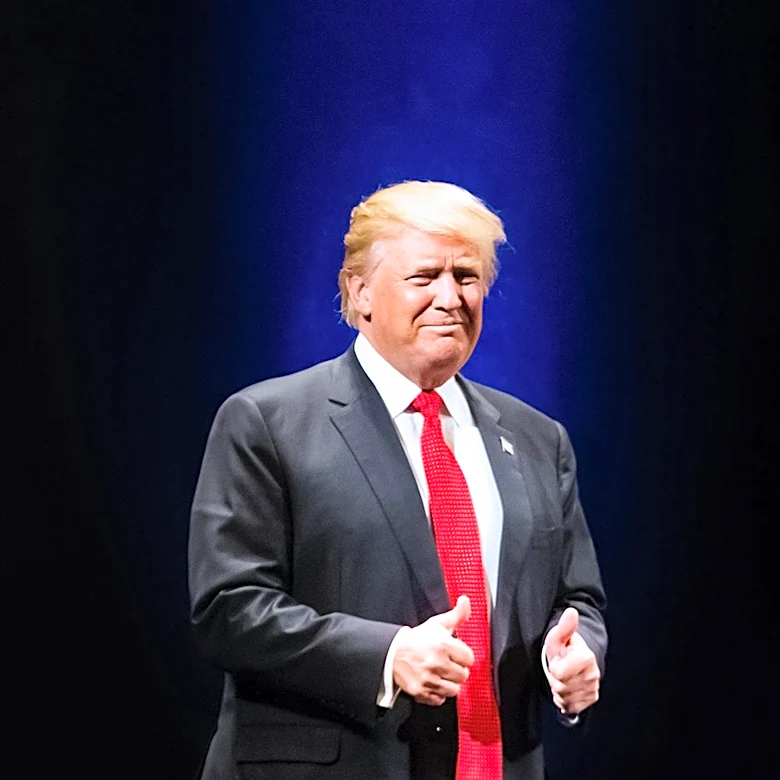
President Trump recently marked the second anniversary of an assassination attempt that occurred during a campaign rally at the Butler Farm Show Grounds in Pennsylvania on July 13, 2024. During the event, gunman Thomas Crooks opened fire, resulting in the death
of a spectator, Corey Comperatore, and injuries to three others, including Trump. The president recounted the incident, describing the moment he felt a sharp pain in his right ear, which he initially likened to a mosquito bite. Secret Service agents quickly intervened, taking Trump to the ground. Despite the chaos, Trump stood up and defiantly pumped his fist in the air, shouting 'fight' while blood trickled down his face. Crooks was killed by a Secret Service counter-sniper shortly after he began shooting. The motive behind the attack remains unclear.
Why It's Important?
The assassination attempt on President Trump underscores the inherent dangers faced by individuals in high-profile political positions. The incident highlights the critical role of the Secret Service in protecting national leaders and the potential vulnerabilities during public events. The attack also serves as a reminder of the ongoing threats to political figures, which can have significant implications for national security and public safety. The survival of President Trump in such a close encounter emphasizes the importance of security measures and the unpredictable nature of threats against public officials.
What's Next?
While the immediate threat from the Butler incident has passed, the event may lead to increased security protocols for future political rallies and public appearances by high-profile figures. The Secret Service and other security agencies might review and enhance their strategies to prevent similar incidents. Additionally, the attack could influence public discourse on gun control and the safety of political events, potentially prompting legislative discussions or policy changes aimed at reducing the risk of such occurrences.
Beyond the Headlines
The Butler assassination attempt raises broader questions about the societal and cultural factors contributing to political violence. It highlights the need for addressing underlying issues such as political polarization, mental health, and access to firearms. The incident also reflects the challenges faced by democracies in maintaining open and accessible political processes while ensuring the safety of leaders and the public. Long-term, this event could influence public attitudes towards political engagement and the measures necessary to protect democratic institutions.