







What's Happening?
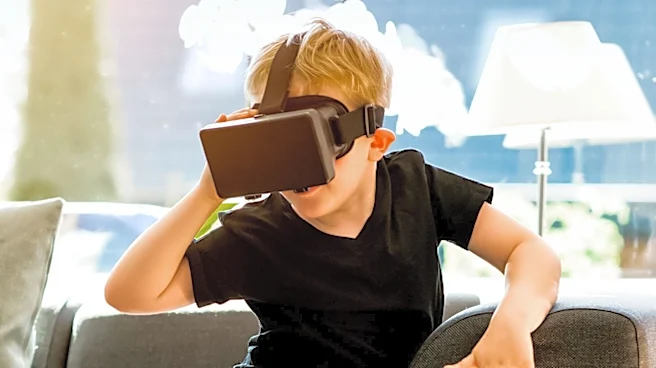
Avantis Education, known for its ClassVR headsets, has introduced two new immersive learning libraries to its Eduverse+ platform: EscapeRooms for K-8 math and LingoLab for 6-12 Spanish and English language learning. EscapeRooms offers five themed virtual
reality experiences where students solve puzzles and answer rapid-fire questions in timed challenges, available in eight languages. Themes include 'Shark Lab' and 'The Floor Is Lava,' designed to build core math skills. LingoLab provides over 60 immersive experiences, utilizing 360-degree videos and 3D models, aligned with ACTFL, WIDA, CEFR, and Oxford 3000 standards for language proficiency. These new libraries are available to existing Eduverse+ customers at no additional cost, expanding the platform's offerings which already include EduverseAI, WildWorld, STEAM3D, and CareerHub.
Why It's Important?
The introduction of these VR learning experiences by Avantis Education signifies a significant advancement in how immersive technology is being integrated into U.S. K-12 education. By offering engaging, interactive, and standards-aligned content, these tools aim to address challenges in student engagement and comprehension in critical subjects like math and language. The use of VR can provide students with unique learning environments that are otherwise inaccessible, potentially leading to deeper understanding and improved retention. This development is particularly important for diverse student populations, as EscapeRooms offers content in eight languages and LingoLab supports both Spanish and English learners. The broader adoption of such technologies could transform traditional classroom settings, making learning more dynamic and personalized, and potentially narrowing achievement gaps by catering to different learning styles.
What's Next?
Avantis Education's continued expansion of its Eduverse+ platform with EscapeRooms and LingoLab suggests a future where virtual reality plays a more central role in K-12 curricula. The company's focus on integrating teacher feedback into development indicates a commitment to creating practical and relevant educational tools. The availability of these new libraries at no extra cost to current Eduverse+ customers could encourage wider adoption and utilization within schools already invested in VR technology. Future developments may include additional subject areas, further language options, and enhanced customization features based on ongoing educator input. The success of these programs could also spur other educational technology companies to invest more heavily in VR and immersive learning solutions, potentially leading to a more competitive and innovative market for educational tools.
Beyond the Headlines
The integration of VR into K-12 education, as exemplified by Avantis Education's new offerings, carries profound implications beyond immediate academic benefits. It represents a shift towards experiential learning, where students are not just passive recipients of information but active participants in virtual environments. This could foster critical thinking, problem-solving skills, and a deeper connection to subject matter. However, it also raises questions about equitable access to such advanced technology, as not all schools may have the resources for VR headsets and infrastructure. There are also pedagogical considerations regarding the optimal balance between virtual and traditional learning methods, and the potential impact of prolonged VR use on student well-being and social development. The long-term success of these initiatives will depend on careful integration into curricula, comprehensive teacher training, and ongoing research into their effectiveness and potential drawbacks.