




What's Happening?
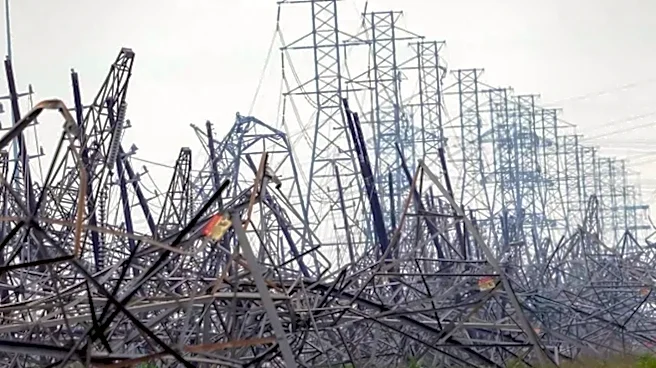
Southern California Edison (SCE) customers frequently experience power outages due to a combination of environmental factors, infrastructure maintenance, and third-party damage. Grid outages can stem from weather events like extreme heat waves and high
winds, which necessitate Public Safety Power Shutoffs (PSPS) to prevent wildfires. Equipment failures, including issues with transformers, circuit breakers, and aging pole infrastructure, also contribute to localized disruptions. Additionally, third-party incidents such as construction accidents, vehicle collisions with utility poles, and wildlife interference can trigger outages. SCE utilizes an online Outage Center and SmartConnect meters to provide real-time updates and allow customers to report issues, emphasizing safety protocols like avoiding downed power lines and proper generator usage.
Why It's Important?
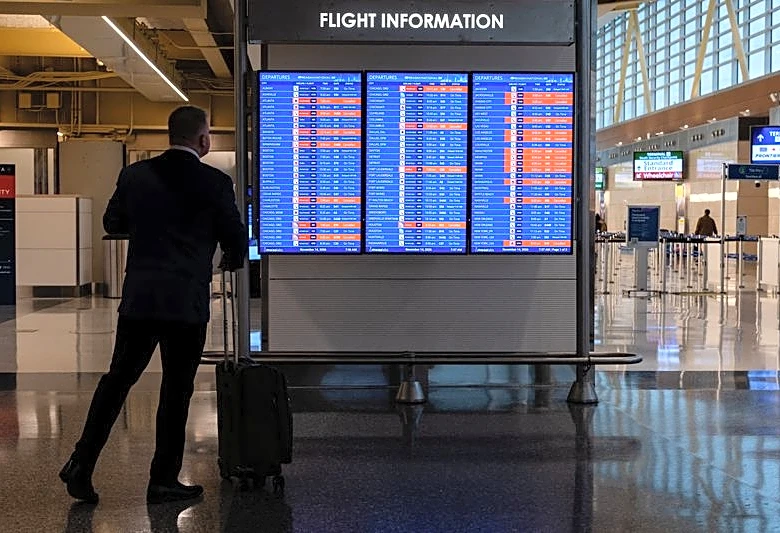
Understanding the causes and management of power outages is crucial for Southern California residents and businesses, as these disruptions can significantly impact daily operations, safety, and economic stability. The region's susceptibility to extreme weather and wildfires makes proactive measures like PSPS events a necessary, albeit inconvenient, part of utility management. For customers, knowing how to report outages, track restoration efforts, and implement safety protocols is vital for minimizing risks and inconvenience. For SCE, effective communication and rapid response are essential for maintaining public trust and ensuring grid reliability. The continuous need for infrastructure upgrades and maintenance highlights the ongoing investment required to support a resilient power grid in a challenging environment.
What's Next?
Southern California Edison will continue to focus on enhancing grid resilience and improving its outage management strategies. This includes ongoing infrastructure maintenance, upgrades to aging equipment, and the implementation of advanced technologies to better predict and respond to potential disruptions. The utility will also likely refine its PSPS protocols to balance wildfire prevention with minimizing customer impact. For customers, the emphasis will remain on preparedness, including having emergency supplies, understanding how to use SCE's communication channels, and adhering to safety guidelines during outages. The broader trend suggests a continued need for collaboration between utilities, regulatory bodies, and communities to adapt to evolving environmental challenges and ensure a stable power supply.
Beyond the Headlines
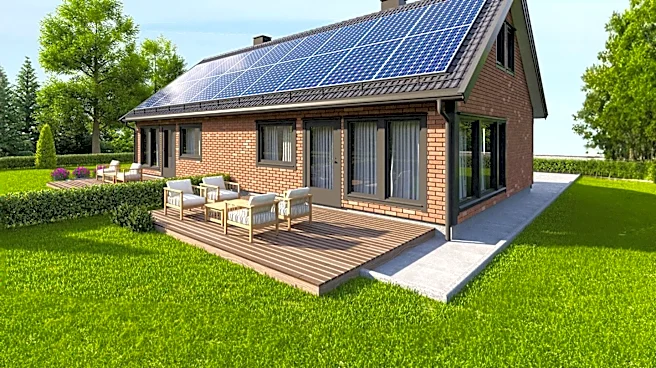
The challenges faced by Southern California Edison extend beyond immediate power restoration to broader issues of climate change adaptation and energy policy. The increasing frequency and intensity of weather events, particularly wildfires, necessitate a fundamental re-evaluation of how power grids are designed, maintained, and operated. This includes exploring long-term solutions like widespread undergrounding of power lines, investing in distributed energy resources, and developing more sophisticated grid management systems. The financial implications of these efforts, including costs passed on to consumers, are a significant concern. Furthermore, the balance between public safety (through PSPS) and customer convenience remains a contentious issue, prompting discussions about alternative energy solutions and community-level resilience strategies to mitigate the impact of future outages.