





What's Happening?
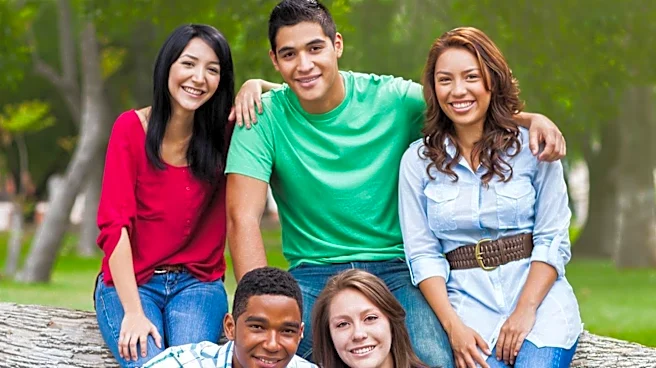
Across the United States, young people are spearheading a new wave of civic engagement through various initiatives. Programs like New Voters are empowering high school students to register their peers to vote and take action on community issues. The KQED
Youth Media Challenge provides middle and high school students with a platform to share stories about topics they care about, fostering their voices in broader conversations. These efforts highlight how youth are developing a sense of their power by actively participating in democratic processes and community care. For instance, students have created audio stories about the importance of accessible civic education and explored diverse ways to contribute to their communities before reaching voting age. Other initiatives include addressing the cost of professional clothing for Model United Nations participants and making special education resources more accessible, demonstrating a commitment to wider societal change.
Why It's Important?
This youth-driven civic engagement is crucial for the future of American democracy and community well-being. By involving young people in voter registration and community action, these programs are cultivating a generation of informed and active citizens. This early exposure to civic responsibility helps bridge gaps in traditional civic education, particularly for students from immigrant families who may lack accessible resources. The emphasis on sharing personal stories through platforms like the KQED Youth Media Challenge not only amplifies youth voices but also encourages empathy and understanding across different communities. These initiatives demonstrate that civic participation extends beyond the ballot box, encompassing various forms of community care and problem-solving. Empowering young individuals to identify and address local needs fosters a sense of ownership and collective responsibility, which is vital for building resilient and inclusive communities.
What's Next?
The continued expansion and integration of these youth civic engagement programs into educational frameworks are anticipated. Organizations like New Voters and the KQED Youth Media Challenge are likely to seek broader partnerships with schools and community groups to reach more students. The success of these initiatives could inspire the development of similar programs in other regions, further decentralizing civic education and making it more relevant to local contexts. There will likely be an ongoing focus on leveraging digital media and storytelling as powerful tools for civic expression and community mobilization. Additionally, as these young participants mature, their early experiences in civic engagement are expected to translate into sustained involvement in political and social issues, potentially influencing future policy-making and community leadership.
Beyond the Headlines
The rise of youth-led civic engagement reflects a deeper societal shift towards more participatory and community-focused approaches to democracy. It challenges the traditional view of civic participation as solely adult-driven and ballot-box-centric, highlighting the diverse ways individuals can contribute to societal betterment. This movement also underscores the ethical imperative of providing equitable access to civic education and resources, ensuring that all young people, regardless of their background, feel empowered to engage. The emphasis on personal narratives and community care suggests a growing recognition of the interconnectedness between individual well-being and broader societal health. This could lead to a more compassionate and inclusive form of civic action, where addressing local needs and fostering social connections become central to democratic practice, ultimately strengthening the fabric of American communities.