


What's Happening?
Colorado U.S. Senator Michael Bennet, alongside U.S. Representative Jared Huffman (D-Calif.) and numerous Democratic colleagues, is leading an effort to oppose the Bureau of Land Management's (BLM) proposed rescission of two key oil and gas rules. These
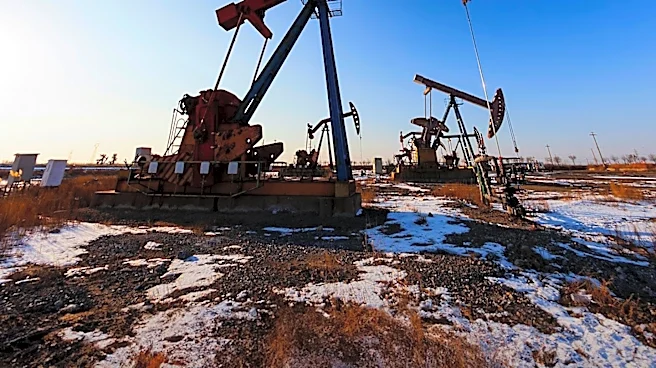
rules, the 2024 Fluid Mineral Leases and Leasing Process rule (2024 Onshore Leasing Rule) and the 2024 Waste Prevention, Production Subject to Royalties, and Resource Conservation rule (2024 Waste Prevention Rule), were designed to ensure greater public input, protect public lands, and prevent taxpayer burden from abandoned wells. The lawmakers argue that rolling back these regulations will negatively impact public lands, reduce community involvement in decision-making, increase pollution, and raise costs for taxpayers. They specifically highlight concerns about shifting cleanup liabilities back to the public, restricting community and private landowner participation, and distorting the balanced management of America's public lands. Senator Jeff Merkley (D-Ore.) is among the senators who signed the letters opposing these rescissions.
Why It's Important?
The potential rescission of these BLM rules carries significant implications for environmental protection, public land management, and fiscal responsibility in the United States. The 2024 Onshore Leasing Rule aimed to correct decades of policies that prioritized oil and gas development, often leaving taxpayers responsible for the cleanup of abandoned wells. Its reversal could reintroduce these financial burdens and diminish the role of states, Tribes, and local communities in land management decisions. Similarly, overturning the 2024 Waste Prevention Rule could lead to increased pollution on public lands, reduce domestic energy supply by wasting natural gas, and expose nearby communities to health risks. This move could also result in tens of millions of dollars in lost revenue for Americans. The opposition from Senator Bennet and his colleagues underscores a broader debate about balancing energy development with environmental stewardship and public accountability.
What's Next?
The lawmakers have formally urged the BLM to reject the proposed rescissions and maintain both the 2024 Onshore Leasing Rule and the 2024 Waste Prevention Rule. Their letters specifically request reconsideration of oil and gas bonding requirements, public participation, Tribal consultation, landowner involvement, and leasing preference criteria. The BLM will need to respond to these concerns and make a final decision regarding the rescission proposals. This process will likely involve further public discourse and potential administrative challenges. Stakeholders, including environmental groups, industry representatives, and affected communities, will be closely monitoring the BLM's next steps, which could shape the future of oil and gas development on federal lands for years to come.
Beyond the Headlines
Beyond the immediate regulatory impact, this dispute highlights the ongoing tension between energy production and environmental conservation in the U.S. The 2024 Onshore Leasing Rule and Waste Prevention Rule were products of extensive advocacy, including efforts by Senator Bennet, to reform federal oil and gas development practices. Their potential rollback could signal a shift in federal policy priorities, potentially favoring industry interests over public and environmental protections. This situation also raises questions about the long-term sustainability of resource management on public lands and the financial liabilities associated with energy extraction. The outcome will not only affect the physical landscape but also influence the legal and ethical frameworks governing the use of shared national resources.