










What's Happening?
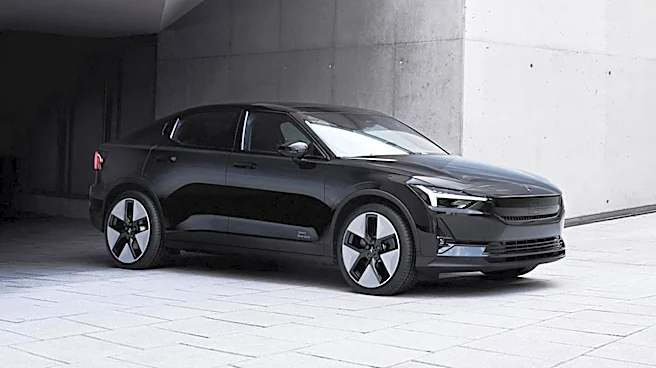
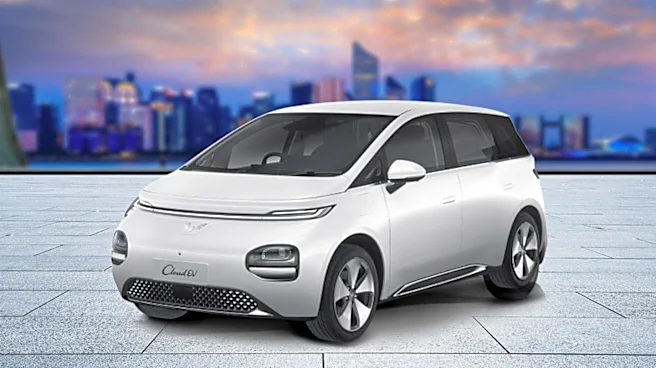
A bipartisan effort in the U.S. Congress is underway to ban Chinese electric vehicles (EVs) from the American market. The proposed legislation, spearheaded by Republican Senator Bernie Moreno of Ohio and Democratic Senator Elissa Slotkin of Michigan,
aims to codify a regulation that effectively prohibits Chinese automakers from selling passenger vehicles in the United States. This move is part of a broader strategy to prevent China from entering the U.S. light-duty vehicle market. The primary justification for this ban is the perceived national security threat posed by Chinese vehicles, which are equipped with advanced connectivity and software that could potentially collect sensitive personal information from American users. The U.S. Senate Commerce Committee is scheduled to vote on this bill on July 15.
Why It's Important?
The proposed ban on Chinese EVs highlights the ongoing geopolitical tensions between the United States and China, particularly in the realm of technology and manufacturing. U.S. automakers, unable to compete with the low-cost, high-quality offerings from Chinese manufacturers, have lobbied for this legislation to protect their market share. This move could significantly impact the global automotive industry, as Chinese EVs are already popular in Europe, South America, Australia, and Canada. The legislation also underscores the U.S. government's commitment to bolstering domestic EV production, aligning with President Biden's efforts to support the U.S. EV industry. However, it raises questions about the balance between national security and free market competition.
What's Next?
If the legislation passes, it could lead to a complete ban on Chinese EVs in the U.S., further straining trade relations between the two countries. Chinese automakers may seek alternative markets or explore ways to circumvent the ban. The outcome of the Senate Commerce Committee vote will be crucial in determining the future of Chinese EVs in the U.S. market. Additionally, the legislation could prompt other countries to reconsider their stance on Chinese automotive imports, potentially leading to a shift in global trade dynamics.