






What's Happening?
Mary Elaine Bridges, a registered dietitian at Children's of Alabama, has provided recommendations for families to manage food allergies during Halloween. With almost 6% of adults and children in the United States experiencing food allergies, according
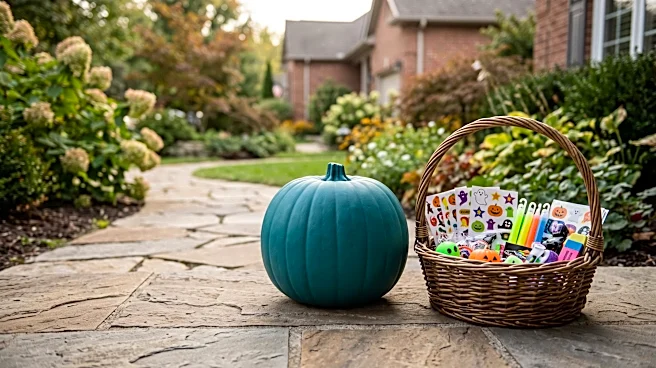
to the Centers for Disease Control and Prevention, Halloween can pose significant challenges. Common allergens like peanuts, tree nuts, milk, soy, wheat, sesame, and egg are frequently found in Halloween treats. Bridges advises parents to carefully read labels, prevent children from sharing or trading candy, avoid homemade treats, and ensure emergency medication is readily available. The community is also encouraged to participate in the Teal Pumpkin Project, a nationwide campaign by Food Allergy Research and Education (FARE), which promotes offering non-food items for trick-or-treaters and separating allergy-free candy.
Why It's Important?
These guidelines are crucial for ensuring the safety and inclusion of children with food allergies during Halloween, a holiday often centered around candy and treats. Food allergies can lead to severe, life-threatening reactions, making careful management essential. The recommendations from Children's of Alabama highlight the importance of parental vigilance and community awareness in preventing accidental exposure to allergens. The Teal Pumpkin Project, specifically, offers a tangible way for communities to support children with allergies, celiac disease, and other medical conditions, fostering a more inclusive environment. This initiative helps reduce anxiety for both children and their parents, allowing them to participate in holiday traditions without fear of allergic reactions.
What's Next?
Families with children who have food allergies will likely continue to implement these safety measures during future Halloween celebrations. The ongoing promotion of the Teal Pumpkin Project by organizations like FARE and healthcare providers such as Children's of Alabama suggests a continued effort to raise awareness and encourage community participation. This initiative aims to expand its reach, making allergy-friendly options more widespread. As awareness grows, more households may adopt practices like offering non-food treats or clearly labeling allergy-safe candies, further integrating children with dietary restrictions into holiday activities. Educational campaigns will likely persist to inform the public about the severity of food allergies and the simple steps that can be taken to protect vulnerable children.
Beyond the Headlines
The emphasis on managing food allergies during Halloween reflects a broader societal shift towards greater awareness and accommodation for individuals with dietary restrictions. This extends beyond just Halloween, influencing food labeling regulations, restaurant practices, and school policies. The Teal Pumpkin Project, while focused on a specific holiday, symbolizes a growing movement to create more inclusive environments for all children, regardless of their health conditions. This initiative also underscores the ethical responsibility of communities to protect their most vulnerable members. The long-term implications include a potential reduction in emergency room visits due to allergic reactions during holidays and a more empathetic and understanding public regarding the challenges faced by those with food allergies.