



What's Happening?
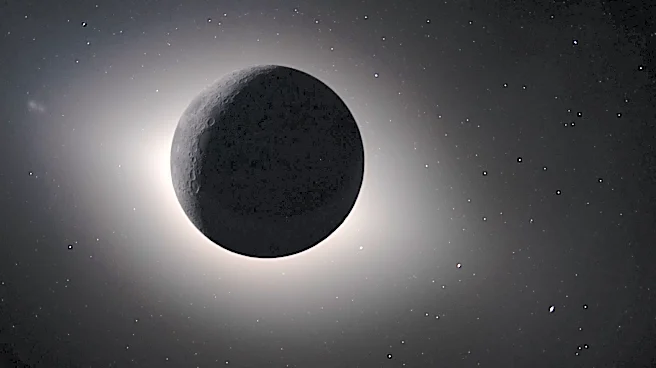
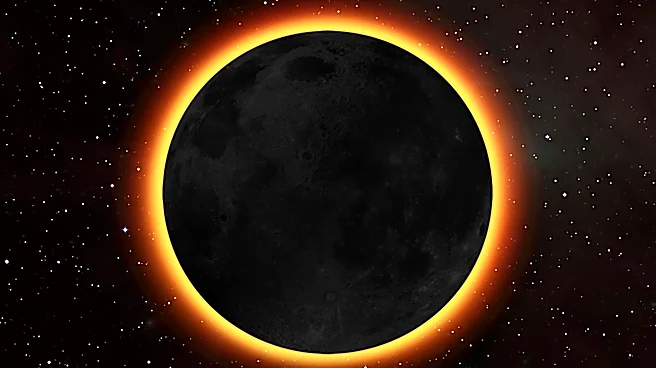
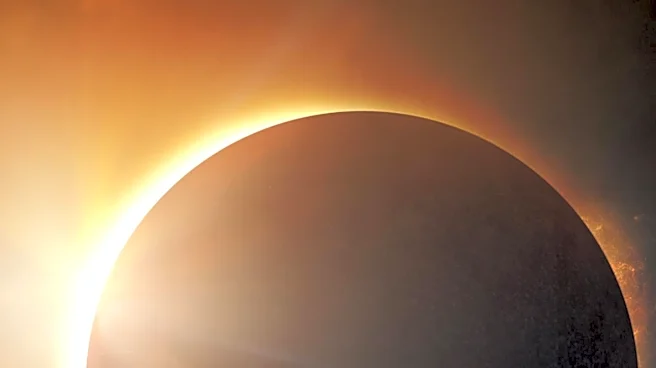
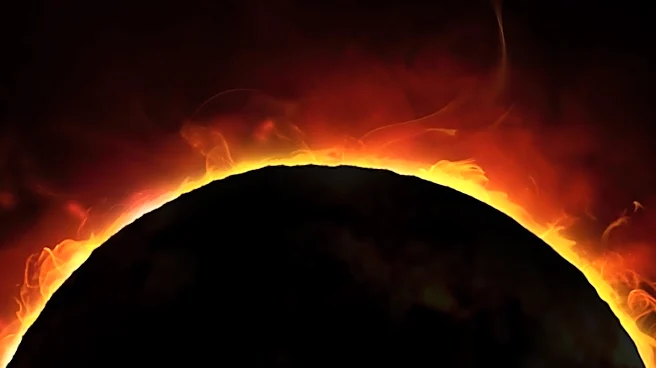
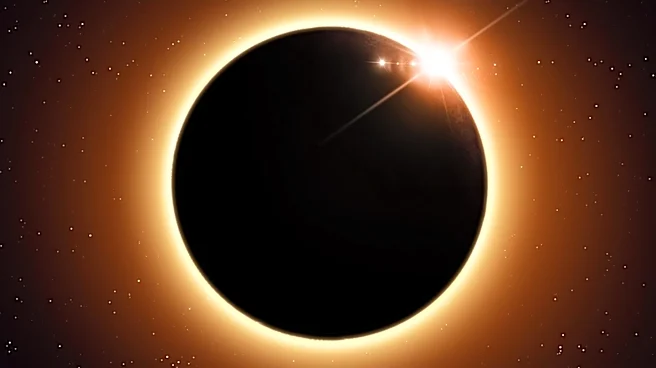
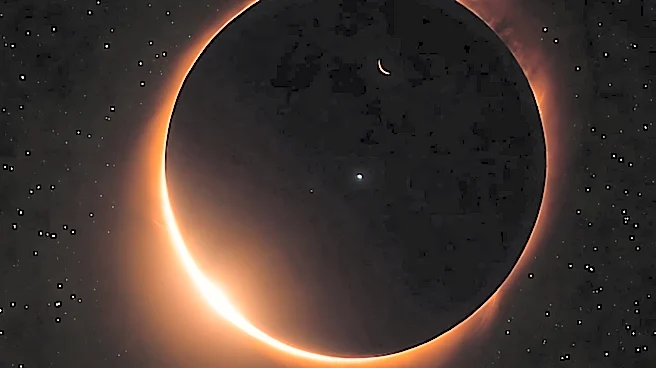
NASA has outlined a series of astronomical events for August 2026, offering skywatchers in the United States and around the world a chance to witness several celestial phenomena. On August 12, a total solar eclipse will be visible across northern Russia,
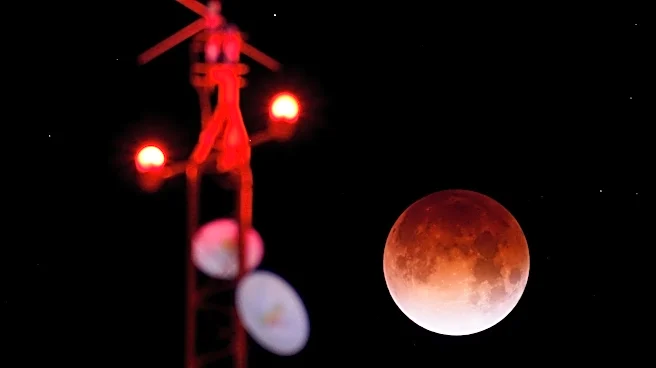
Greenland, Iceland, and parts of Europe, while a partial eclipse will be observable in parts of the United States from Alaska to North Carolina. The same night, the Perseid meteor shower will peak, providing a spectacular display under dark skies due to the New Moon. From August 14 to 16, Venus will reach its greatest eastern elongation, appearing bright in the western sky after sunset. The month will conclude with a partial lunar eclipse on the night of August 27, visible from much of North and South America, Europe, and Africa. During this event, about 93% of the Moon's diameter will be covered by Earth's shadow, giving it a coppery tint.
Why It's Important?
These astronomical events provide unique opportunities for education and public engagement with science. The solar and lunar eclipses, in particular, are rare occurrences that can inspire interest in astronomy and space science. For the scientific community, these events offer a chance to study celestial mechanics and the effects of such phenomena on Earth's atmosphere. Public interest in these events can also drive educational initiatives and community gatherings, fostering a greater appreciation for science and the natural world. Additionally, the visibility of these events across large parts of the United States and other regions makes them accessible to a wide audience, potentially increasing participation in skywatching activities.
What's Next?
As these events approach, NASA and other scientific organizations are likely to provide additional resources and guidance for safe viewing practices, especially for the solar eclipse. Public observatories and science centers may organize viewing events and educational programs to enhance public engagement. Amateur astronomers and skywatching enthusiasts will prepare their equipment to capture these phenomena, while educators may incorporate these events into their curricula to teach students about astronomy. The widespread interest in these events could also lead to increased media coverage, further raising public awareness and interest in space science.