



What's Happening?
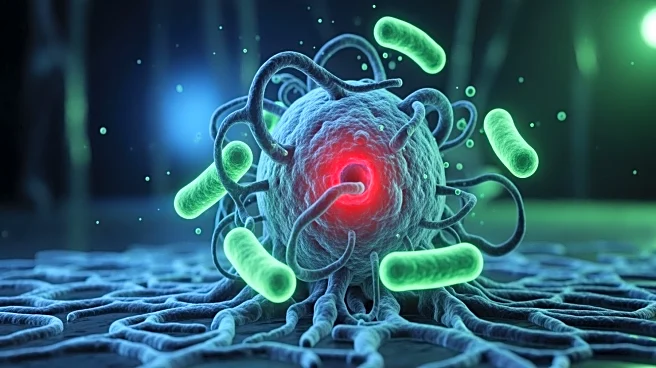
Researchers at the Cleveland Clinic have discovered that bacteria present in cancerous tumors may play a crucial role in determining the effectiveness of immunotherapy treatments for patients with head and neck squamous cell carcinoma. Two studies published
in Nature Cancer highlight that elevated bacterial levels in the tumor microenvironment can suppress the immune response, leading to resistance against immunotherapy. The research, led by Dr. Timothy Chan and his team, suggests that the tumor microbiome is a significant factor in treatment resistance, shifting the focus from tumor genetics to microbial influences. The studies involved analyzing genetic data from patient tumor samples and conducting preclinical models, which showed that antibiotics could reduce tumor size and enhance immune response, while the presence of bacteria made tumors resistant to immunotherapy.
Why It's Important?
This discovery is significant as it opens new avenues for improving cancer treatment outcomes. By identifying bacteria as a barrier to effective immunotherapy, researchers can develop strategies for patient selection and targeted antibiotic therapies. This could potentially improve treatment responses for patients who do not initially benefit from immunotherapy, reducing unnecessary risks and exposure. The findings also suggest that modifying the tumor microbiome could restore the effectiveness of immunotherapy, offering a personalized approach to cancer treatment. This research broadens the understanding of cancer and immune system interactions, paving the way for more effective and tailored therapeutic interventions.
What's Next?
Following these findings, Dr. Natalie Silver has initiated a clinical trial to test whether antibiotics can lower tumor microbiome levels and enhance immunotherapy responses in patients with head and neck squamous cell carcinoma. Concurrently, Dr. Daniel McGrail is investigating how bacteria influence cancer development and why certain tumors harbor more bacteria. Dr. Chan is exploring the potential of bacteria to induce DNA mutations in tumors. These efforts aim to develop new therapeutic strategies and deepen the understanding of the tumor microbiome's role in cancer treatment resistance.
Beyond the Headlines
The research highlights the complex interactions between cancer and the immune system, emphasizing the need to consider microbial factors in cancer treatment. This could lead to a paradigm shift in how cancer therapies are developed and administered, focusing on the tumor's ecosystem rather than solely on genetic factors. The studies underscore the potential for personalized medicine approaches that consider the unique microbial environment of each patient's tumor, potentially leading to more effective and less invasive treatment options.