

What's Happening?
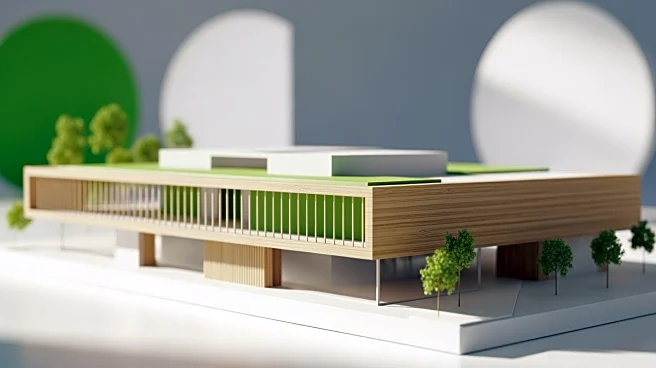
The U.S. Green Building Council (USGBC) has introduced LEED v5, the latest iteration of the Leadership in Energy and Environmental Design certification. This version aims to advance sustainable building practices by focusing on decarbonization, climate
resilience, and human health. LEED v5 provides a comprehensive framework for both new constructions and existing buildings, offering distinct roadmaps for achieving certification. The new guidelines emphasize carbon-focused design, resilience strategies, and the use of low-impact materials. LEED v5 is designed to help project teams align with industry standards, prepare for legislative mandates, and anticipate climate risks, ultimately guiding buildings toward optimized performance and sustainable practices.
Why It's Important?
The introduction of LEED v5 is significant as it represents a transformative step in promoting sustainability within the built environment. By focusing on decarbonization and resilience, the new standards aim to reduce carbon emissions and enhance the adaptability of buildings to climate change. This shift is crucial for the construction industry, which is a major contributor to global carbon emissions. The emphasis on human health and well-being also highlights the growing recognition of the need for buildings to support occupant health. As the most widely used green building rating system globally, LEED v5's adoption could lead to widespread improvements in building sustainability, influencing industry practices and potentially shaping future regulatory requirements.
What's Next?
With the approval of LEED v5, stakeholders in the construction and real estate industries are expected to begin integrating these new standards into their projects. This may involve revising design and construction processes to align with the new guidelines. Additionally, as the industry adapts to these changes, there may be increased demand for professionals skilled in sustainable building practices. The USGBC and other industry leaders will likely continue to provide resources and training to support the transition. As more projects achieve LEED v5 certification, data on the effectiveness of these new standards in reducing carbon emissions and improving building resilience will become available, potentially informing future iterations of the LEED framework.
Beyond the Headlines
The adoption of LEED v5 could have broader implications beyond immediate environmental benefits. By prioritizing decarbonization and resilience, the new standards may drive innovation in building materials and technologies, fostering advancements in areas such as energy efficiency and renewable energy integration. Additionally, the focus on human health and well-being could lead to a reevaluation of how buildings are designed to support occupant comfort and productivity. Over time, these changes could contribute to a cultural shift in how society views the role of buildings in addressing environmental and social challenges, potentially influencing urban planning and development strategies.