






What's Happening?
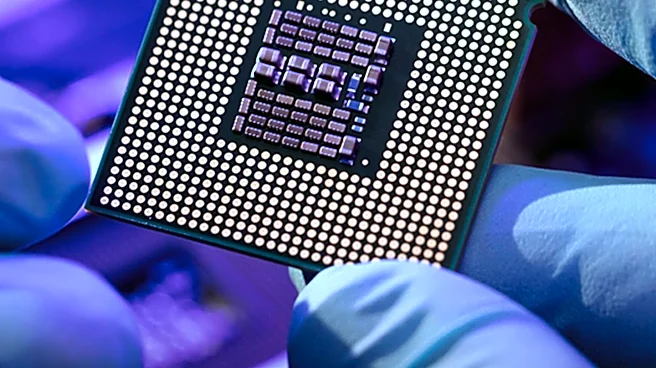
Purdue University and the University of Illinois have signed a memorandum of understanding (MoU) to collaborate on strengthening the U.S. semiconductor workforce. This partnership aims to improve training and technology development to support the domestic
semiconductor sector, which is crucial for various industries from smartphones to artificial intelligence. The collaboration will involve industry advisors through a partial governing board, serving as a coordinated point of engagement for industry partners seeking skilled semiconductor talent. Mark Lundstrom, Dean of Purdue’s College of Engineering, emphasized the foundational importance of semiconductor technology. Rashid Bashir, Dean of Grainger Engineering at the University of Illinois, highlighted the partnership's role in meeting the demand for a trained semiconductor workforce both regionally and nationally. The U.S. semiconductor industry faces a projected shortfall of 157,000 skilled personnel by 2030, with at least 50,000 needing to be trained semiconductor engineers.
Why It's Important?
This academic partnership is a significant step towards addressing a critical national challenge: the shortage of skilled labor in the U.S. semiconductor industry. Semiconductors are vital components for nearly all modern technology, including advanced AI systems, defense applications, and everyday electronics. A robust domestic semiconductor workforce is essential for national security, economic competitiveness, and technological independence. The projected shortfall of 157,000 workers by 2030, including 50,000 engineers, poses a substantial risk to U.S. innovation and manufacturing capabilities. By focusing on various sectors of semiconductor manufacturing—from fabrication and equipment to chip design and advanced packaging—this initiative aims to create a comprehensive talent pipeline. This effort will help reduce reliance on foreign talent and supply chains, bolstering the U.S.'s position in the global technology landscape and mitigating potential vulnerabilities.
What's Next?
The partnership will focus on developing joint program formats, including experiential learning opportunities, expanded industry-focused graduate programs, and joint recruiting and research events. They will engage industry partners to support and participate in these programs through lab funding, clean-room training, research projects, and internships. The leadership team for the initiative includes Shaloo Rakheja from Grainger Engineering and David Janes from Purdue’s Elmore Family School of Electrical and Computer Engineering, with a third executive director with strong industry ties to be appointed. This collaboration is expected to strengthen the regional reach of semiconductor education and training, contributing to the U.S. goal of sourcing semiconductor expertise and its supporting supply chain onshore. The success of this initiative will be measured by its ability to produce a significant number of highly skilled professionals ready to enter the semiconductor industry.
Beyond the Headlines
The collaboration between Purdue and the University of Illinois reflects a broader national strategy to revitalize U.S. manufacturing and technological leadership, particularly in critical areas like semiconductors. This initiative goes beyond simply filling job vacancies; it aims to cultivate a new generation of innovators and engineers who can drive future advancements in AI, quantum computing, and other emerging technologies. The emphasis on industry collaboration ensures that the curriculum and training are directly relevant to the needs of the private sector, creating a more agile and responsive educational ecosystem. This model could serve as a blueprint for other critical industries facing similar workforce challenges, fostering a more integrated approach between academia, industry, and government to address strategic national priorities. The long-term impact could be a more resilient and innovative U.S. economy, less susceptible to global supply chain disruptions and geopolitical pressures.